
Tag: policy
-
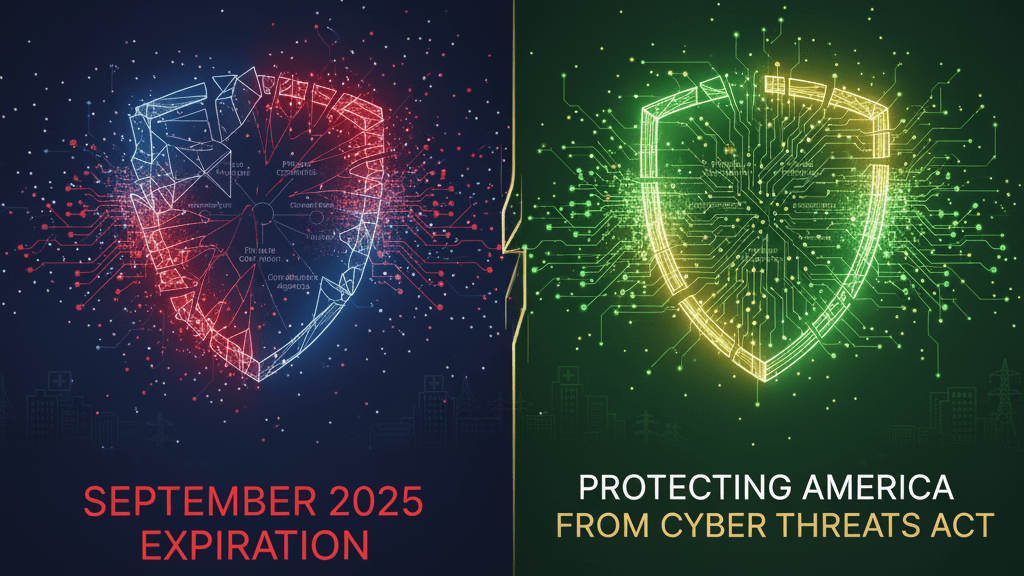
US Cybersecurity Legislation Developments: Restoring Expired Information Sharing Protections
On September 30, 2025, the Cybersecurity Information Sharing Act of 2015 expired, impacting the exchange of cyber threat intelligence between companies and federal agencies. This lapse has raised concerns about heightened vulnerability to cyberattacks. In response, a bipartisan effort has launched the Protecting America from Cyber Threats Act to restore these essential protections.
-

Cybersecurity Takes Center Stage in Global Diplomacy
By Vladimir Tsakanyan. Cybersecurity has evolved from a technical issue to a vital aspect of international relations, driven by increasing cyberattacks that threaten national security. It now intersects with trade, defense, and human rights. Effective cyber diplomacy involves multi-stakeholder engagement and accountability mechanisms, emphasizing the need for cooperation and stability in the digital age.
-

The G7 Cyber Expert Group and AI: Steering Global Finance Toward Resilient Innovation
On October 6, 2025, the G7 Cyber Expert Group (CEG) released a statement addressing AI’s risks and benefits in global finance. It establishes a non-binding practice framework, emphasizing AI risk management integration, data governance, and crisis response updates. The focus is on enhancing resilience while balancing innovation and financial stability.
-

The EU’s Regulatory Revolution: How New Cybersecurity Laws Are Reshaping Global Digital Standards
The European Union is revolutionizing global cybersecurity through new regulations, beginning in 2025. Key initiatives include NIS 2’s expanded scope, DORA’s financial sector resilience measures, the Cyber Resilience Act prioritizing security in product design, and the AI Act’s governance of artificial intelligence. These frameworks mandate comprehensive compliance, impacting organizations worldwide.
-

CISA 2015 Expires: The Failure That Increased US Cyber Vulnerability
U.S. digital defense faces significant risks due to legislative stagnation, exemplified by the CISA 2015 expiration and CISA workforce furloughs. This analysis explores how political disputes compromise national cyber resilience, highlighting the need for proactive reforms to restore operational stability and ensure continuous information sharing in digital defense against adversaries.
-

The Imperative of Cyber Coalitions: Why Major Powers Cannot Afford Strategic Complacency
The article discusses how collective defense among smaller nations is changing the cybersecurity landscape. It emphasizes that coordinated actions enable these nations to surpass the technological advantages of major powers, particularly evident through NATO’s evolution post-Estonia’s cyberattacks. Failure to engage in coalition-building risks diminishing major powers’ strategic flexibility and preparedness in cyberspace.
-

The September 2025 Cisco Zero-Day Crisis: State-Sponsored Espionage Targets Federal Networks
The September 25, 2025, CISA directive highlights a significant cyberattack by Chinese state-sponsored hackers exploiting Cisco vulnerabilities. This incident reveals critical federal cybersecurity weaknesses, spurring urgent policy reforms, improved incident responses, and intensified international cooperation. The attack underscores the need for enhanced resilience against increasingly sophisticated state-sponsored cyber operations.
-

The Future of Cyber Warfare: Why Nations Are Racing to Build Dedicated Cyber Forces
As cyber threats intensify, nations face a critical decision on organizing cyber operations, either within military branches or as separate entities. The U.S. struggles with cyber readiness, prompting proposed solutions, including separate cyber forces. How the U.S. addresses these challenges will impact global cyber dynamics and military effectiveness.
-

Major European Airports Paralyzed as Collins Aerospace Falls Victim to Cyberattack
A sophisticated cyberattack on Collins Aerospace caused major flight delays and cancellations across Europe, exposing vulnerabilities in aviation cybersecurity and reliance on centralized technology providers.
-

The Game-Changing US-UK Tech Deal That’s Quietly Reshaping Global Cybersecurity
The Technology Prosperity Deal between the US and UK signifies a transformative approach to cybersecurity and technological sovereignty, focusing on proactive collaboration, secure supply chains, and ethical AI development, potentially reshaping global dynamics.
