
Tag: politics
-
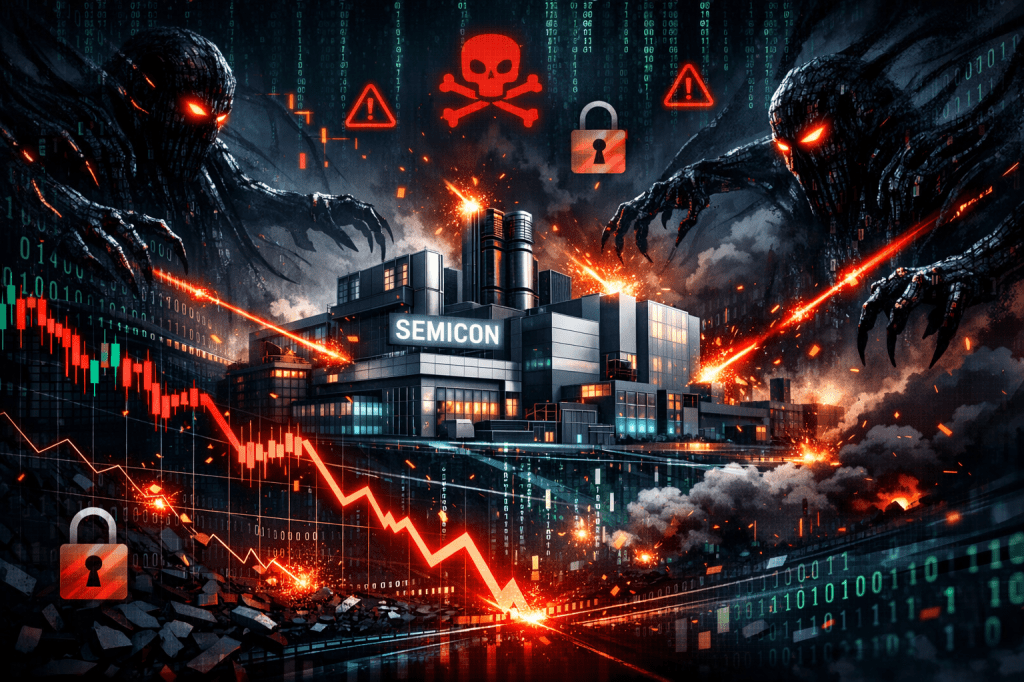
The Algorithmic Front: Cyber-Economic Warfare and the Future of Market Integrity
In November 2025, a European semiconductor firm hypothetically suffers a 14% market drop within minutes due to a sophisticated cyber-attack undermining market integrity. This incident symbolizes a broader shift towards cyber-economic warfare, where attackers exploit vulnerabilities, prompting urgent discussions on regulatory responses and the evolving relationship between security and financial markets in 2026.
-
The Architecture of Invisible Power
Vladimir Tsakanyan’s documentary, The Architecture of Invisible Power, examines how modern power operates subtly through technology and systems rather than overt authority. With a minimalist approach, it invites critical reflection on unseen influences, emphasizing intent and governance over simplistic narratives. The film provokes questions that linger beyond its runtime, encouraging deeper awareness.
-

Pax Silica: The New Architecture of Digital Solidarity and the Geopolitics of Compute
Pax Silica, a 21st-century doctrine introduced by the State Department, signifies a shift in global relations, prioritizing AI and supply chain security over traditional efficiency. This initiative fosters collaboration among allied nations to address technological dependencies while ensuring a competitive edge over China. It aims to establish “Digital Solidarity” and enhance international cooperation in technology.
-

The Silicon Shield: Analyzing the U.S.-Israel Strategic Partnership on AI and the New Geopolitics of Critical Technology
On January 15, 2026, the U.S. and Israel launched a strategic partnership focusing on artificial intelligence and critical technologies, redefining their bilateral relations. This integration aims to enhance security, innovation, and ethical governance amidst rising AI threats. The agreement signifies a transition into a collaborative technological ecosystem for democratic nations.
-

THE SHADOW ARCHITECTURE: DECODING THE SILENT SUBSTRATE OF GLOBAL POWER
The article discusses the evolution of power dynamics in the digital age, highlighting the emergence of “Shadow Architecture.” It examines incidents like Stuxnet and the Volt Typhoon campaign, demonstrating how cyber-kinetic threats target critical infrastructure. The call for better cybersecurity practices emphasizes the need to navigate a fractured digital landscape regulated by powerful tech entities.
-
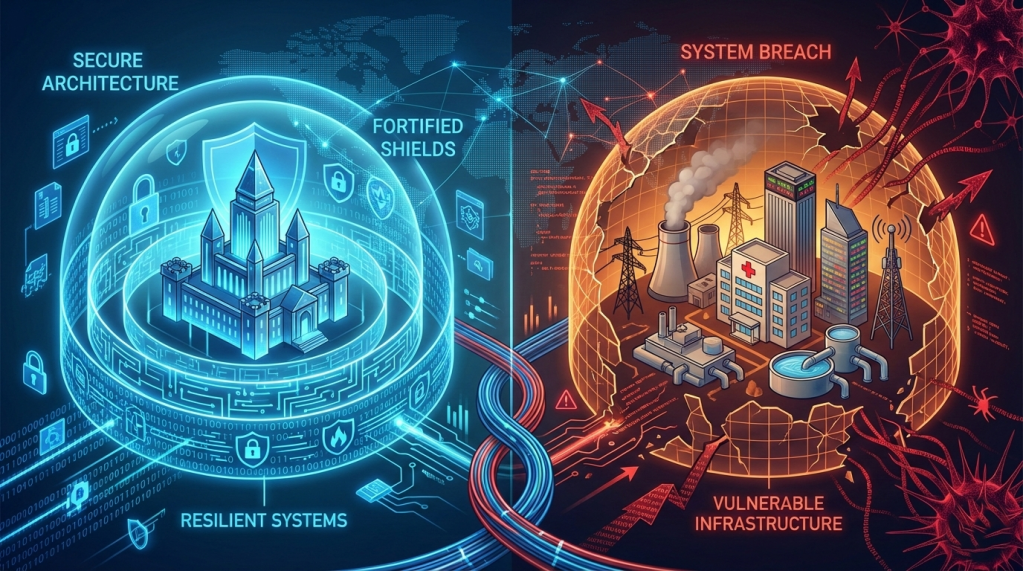
How Modern Cyber Strategies Are Leaving Critical Infrastructure in the Shadows
Vladimir Tsakanyan The digital battlefield has fundamentally changed, yet many national cybersecurity strategies remain anchored to outdated assumptions about where threats originate and who bears responsibility for defense. Recent policy developments, particularly the United Kingdom’s refreshed government cyber action plan and similar initiatives across multiple nations, reveal a troubling pattern: governments are fortifying their own…
-
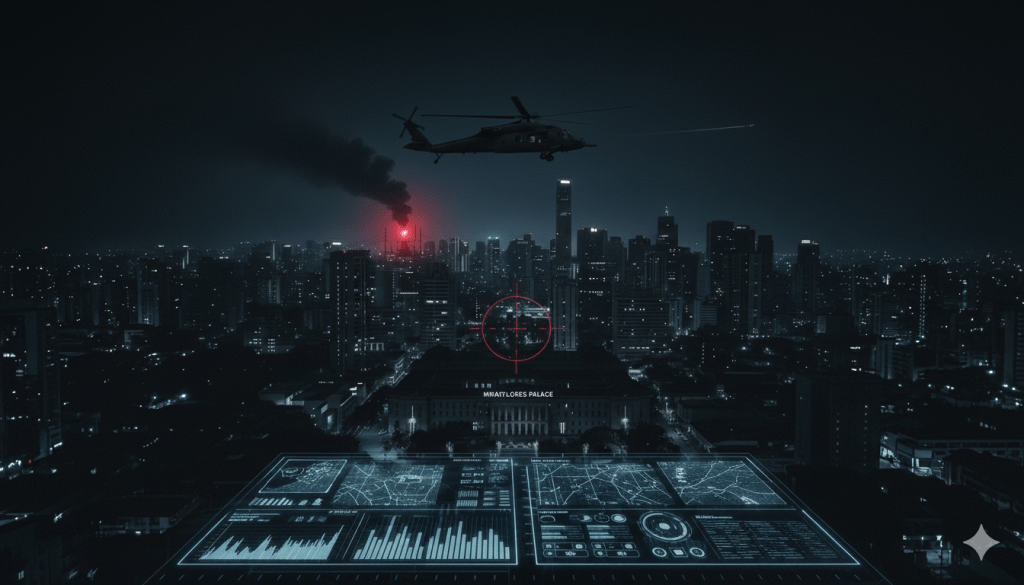
Darkness in Caracas: The Geopolitics of the First Major Cyber-Kinetic Coup
On January 4, 2026, U.S. Delta Force captured Nicolás Maduro and Cilia Flores in Venezuela through a cyber-kinetic operation named “Absolute Resolve.” This represents a shift in warfare tactics, combining cyberattacks with military action. The incident has broad geopolitical implications, signaling a new era of U.S. interventionist policy and challenging digital rights in Venezuela.
-
The Predator Files: How Spyware Sanctions Removal Reveals the Complexities of Cybersecurity Policy
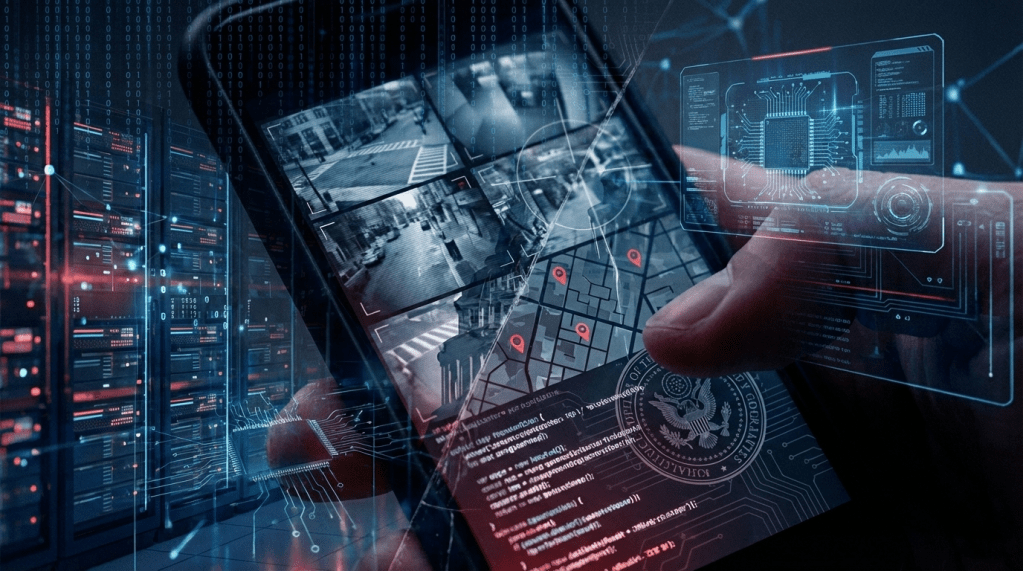
The Trump administration’s lifting of sanctions on Intellexa executives marks a significant policy shift from the Biden era. This decision raises concerns about national security, human rights, and democratic governance, especially as the Predator spyware continues to threaten privacy and press freedom. The removal signifies a troubling accommodation of commercial surveillance in statecraft.
-

Churchill in the Digital War Room: A Grand Strategy Compared to the UK’s Cyber Power Vision
Vladimir Tsakanyan articulates how Winston Churchill would evaluate the UK’s cybersecurity strategy. He would commend its ambition but critique its peacetime compromises. Emphasizing national survival, he would demand stronger mandates for defense, intelligence-sharing, and a zero-tolerance policy on ransom payments, asserting that survival must precede responsibility in cybersecurity.
-

Napoleon in the Digital Trenches: A Commander’s Take on Modern Cybersecurity Policy
Vladimir Tsakanyan analyzes modern cybersecurity through the strategic lens of Napoleon Bonaparte. He advocates for centralized control, improved intelligence sharing, significant resource allocation, and clear doctrines of retaliation to enhance national cybersecurity. Napoleon’s approach emphasizes efficiency, unified command, and the projection of state power in the digital realm as essential for success.
