Tag: russia
-

The Digital Iron Curtain: 5 Surprising Realities of Moscow’s Great Internet Blackout
Moscow is experiencing a technological regression, reminiscent of the 1990s, as state-imposed restrictions decay its digital infrastructure. With skyrocketing demand for analog devices and decreasing economic vitality, the government is testing a “Splinternet,” driven by fears of internal dissent. This situation poses questions about the city’s future amid increasing censorship and surveillance.
-

The New Equilibrium: How Trump’s Cybersecurity Doctrine Redefines Federal-Private Sector Relations
The 2026 shift in federal cybersecurity oversight, under the Trump administration, emphasizes reduced regulation while maintaining oversight. Executive Order 14306 preserves key security measures but eliminates mandatory vendor standards, reflecting a philosophical preference for market approaches. The administration faces challenges in balancing operational realities against strategic threats, requiring potential course corrections.
-
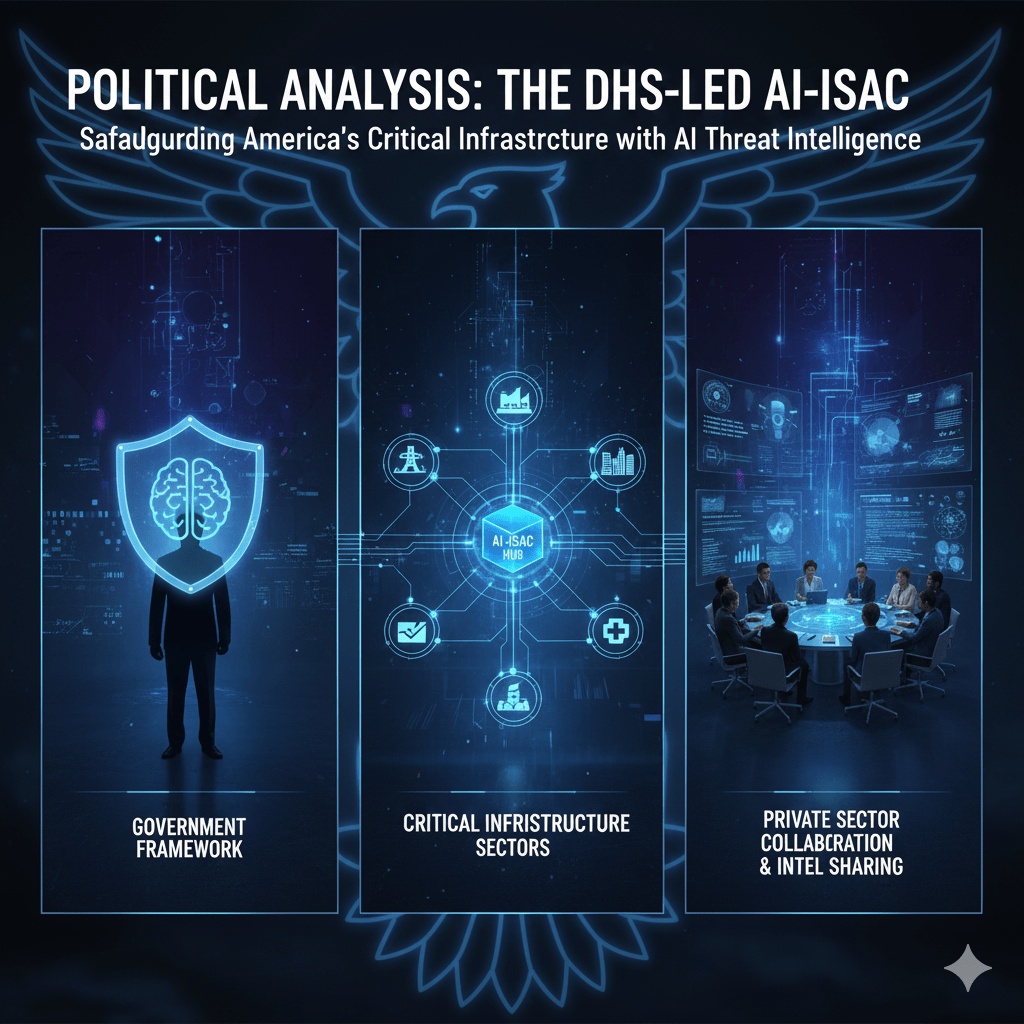
The DHS-Led AI-ISAC and the Future of Critical Infrastructure Security
The establishment of the Artificial Intelligence Information Sharing and Analysis Center (AI-ISAC) by the Department of Homeland Security is a strategic move aimed at enhancing national security by sharing AI-related threat intelligence. While the initiative is politically supported, challenges include fostering private sector collaboration and coordinating with existing agencies to avoid bureaucratic conflicts.
-

New Defense Bill Fortifies U.S. Cyber Defenses and Personnel Support
The Fiscal Year 2026 NDAA introduces cybersecurity reforms for the Department of Defense aimed at modernizing its digital operations. Key provisions include enhanced mobile security for leaders, mandatory AI-focused training, prioritization of cyber personnel’s mental health, and improved governance on cybersecurity policies, streamlining contractor requirements, and protecting critical leadership structures.
-

Cybersecurity Takes Center Stage in Global Diplomacy
By Vladimir Tsakanyan. Cybersecurity has evolved from a technical issue to a vital aspect of international relations, driven by increasing cyberattacks that threaten national security. It now intersects with trade, defense, and human rights. Effective cyber diplomacy involves multi-stakeholder engagement and accountability mechanisms, emphasizing the need for cooperation and stability in the digital age.
-

Russia’s Escalating Digital Iron Curtain: New Data Laws and Their Geopolitical Fallout
On May 30, 2025, significant amendments to Russia’s Federal Law on Personal Data will enforce stringent data localization, new reporting requirements, and substantial penalties for breaches. This legislative shift aims to consolidate state control over internet data and enhance national cybersecurity, impacting businesses and increasing compliance costs while straining international relations.
-

Navigating the Digital Divide; A Game-Theoretic Forecast for a Post-Ukraine War US-Russia Cyber Treaty
The evolving nature of cyber diplomacy between the US and Russia, intensified by the Ukraine conflict, necessitates strategic understanding to prevent miscalculations. A potential cyber treaty could foster cooperation yet faces hurdles like attribution challenges and ideological divergences in cyber practices, impacting domestic policies and global cyber governance over the next decade.
-

Cybersecurity and Electoral Integrity: The Polish Presidential Election Under Siege
As Poland nears its presidential election on May 18, 2025, it faces serious cybersecurity threats from Russian actors targeting political party websites and spreading disinformation. These incidents highlight the need for enhanced cyber diplomacy and international cooperation to protect democratic processes and ensure electoral integrity amid growing cyber interference.
-

Next NSA: Political Leader, Cyber Expert
Abstract As of May 5, 2025, President Trump has replaced Michael Waltz as National Security Advisor—nominating him as U.S. Ambassador to the United Nations—and installed Secretary of State Marco Rubio as acting NSA. This high‑level personnel shift underscores the administration’s need for an NSA who is first a seasoned political strategist in national security and also deeply fluent…
-

Viral Vectors: Hacktivism, Memes, and the Shifting Landscape of US Electoral Influence
Abstract: The American political landscape since 2016 has been significantly shaped by the convergence of hacktivism and the proliferation of politically charged internet memes. This article examines how these digital phenomena have influenced US election cycles and their aftermaths, starting with Donald Trump’s first presidential campaign up to the present day (April 2025). It analyzes…
