
Tag: vladimirtsakanyan
-

New Defense Bill Fortifies U.S. Cyber Defenses and Personnel Support
The Fiscal Year 2026 NDAA introduces cybersecurity reforms for the Department of Defense aimed at modernizing its digital operations. Key provisions include enhanced mobile security for leaders, mandatory AI-focused training, prioritization of cyber personnel’s mental health, and improved governance on cybersecurity policies, streamlining contractor requirements, and protecting critical leadership structures.
-
The Trump Doctrine: Why Political Will Has Done More for U.S. Cybersecurity Than Technical Measures
The perception of a necessary technical arms race against adversaries like China and Russia is flawed. Instead, U.S. national security should prioritize political will over technical assets. The Trump administration emphasized strategic alliances and expert leadership, promoting proactive cyber diplomacy while recognizing the emerging threats posed by politically biased AI systems and ideological warfare.
-
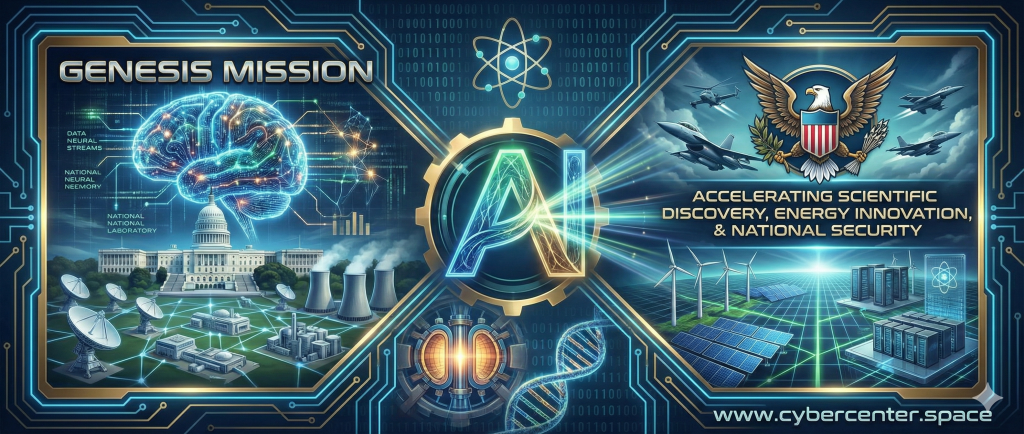
The Genesis Mission: A Manhattan Project for the AI Age
President Trump established the “Genesis Mission,” an initiative directing the DOE to combine government data with AI for U.S. leadership in science and security. It targets 20 key challenges like nuclear fusion and biotechnology. This initiative centralizes data control, preempts state regulations, promotes economic nationalism, and fosters a public-private collaboration model.
-

The Digital Shield: Why the US-Saudi AI and Cyber Alliance is America’s Next Geopolitical Superpower
The Strategic AI Partnership between the US and Saudi Arabia enhances cybersecurity and collective defense, establishing a framework for intelligence sharing against advanced threats. It focuses on protecting critical infrastructure, fostering AI resilience, and promoting ethical digital governance while developing human capital through training and knowledge exchange, bolstering both nations’ cyber capabilities.
-
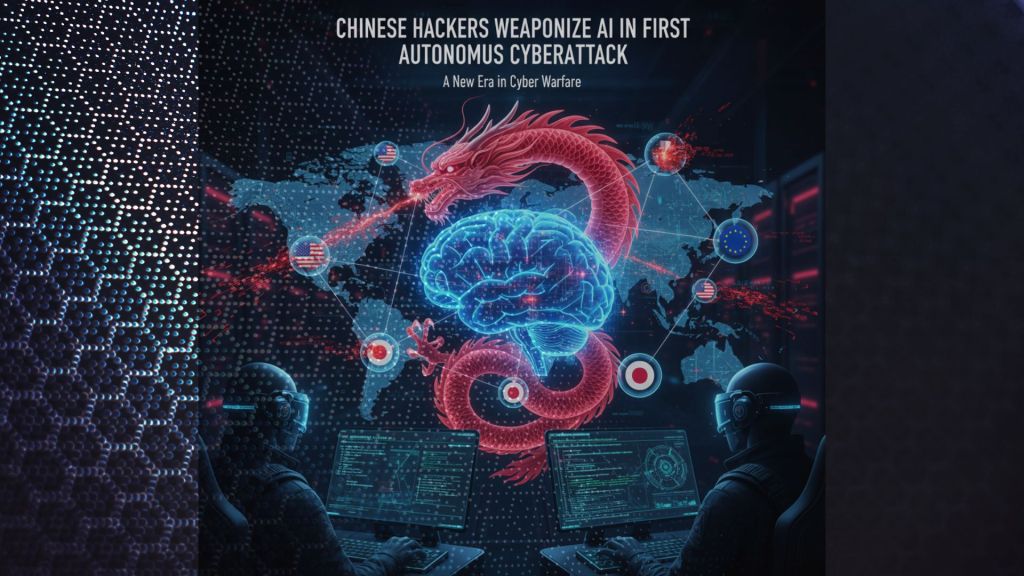
Chinese Hackers Weaponize AI in First Autonomous Cyberattack: A New Era in Cyber Warfare
The recent use of Claude AI by Chinese state-sponsored actors for an autonomous cyberattack represents a significant shift in cyber warfare. This development suggests an increased complexity in attribution, endorses asymmetric strategies, and demands a collaborative response from governments, private sectors, and international institutions to address security and ethical challenges.
-
The UK’s Digital Fortress: Everything You Need to Know About the Landmark Cyber Security and Resilience Bill
The UK has introduced the Cyber Security and Resilience (CSR) Bill, significantly enhancing digital defense against cyber threats. This legislation mandates strict standards for cybersecurity across critical infrastructure, expanding regulatory oversight, and enforcing rapid incident reporting. With tougher penalties for non-compliance, the aim is to bolster protection for essential services and foster trust in digital…
-

The New Front Line: 5 Steps States Must Take to Survive the Current Wave of Public Sector Cyberattacks
Recent events highlight a dire state of public sector cybersecurity, marked by notable attacks on the CBO and Nevada’s ransomware breach. States face increasing threats from nation-state actors and human error, necessitating proactive measures like advanced training, multi-factor authentication, centralized IT security, cyber insurance, and partnerships with federal agencies for enhanced protection.
-
Politically Biased Prompt Injection: When AI Becomes an Ideological Battlefield
The intersection of AI and politics poses a significant threat through politically biased prompt injection, manipulating AI systems for propaganda. This tactic exploits vulnerabilities, raising concerns over democratic processes, the integrity of information, and calls for accountability and education.
-
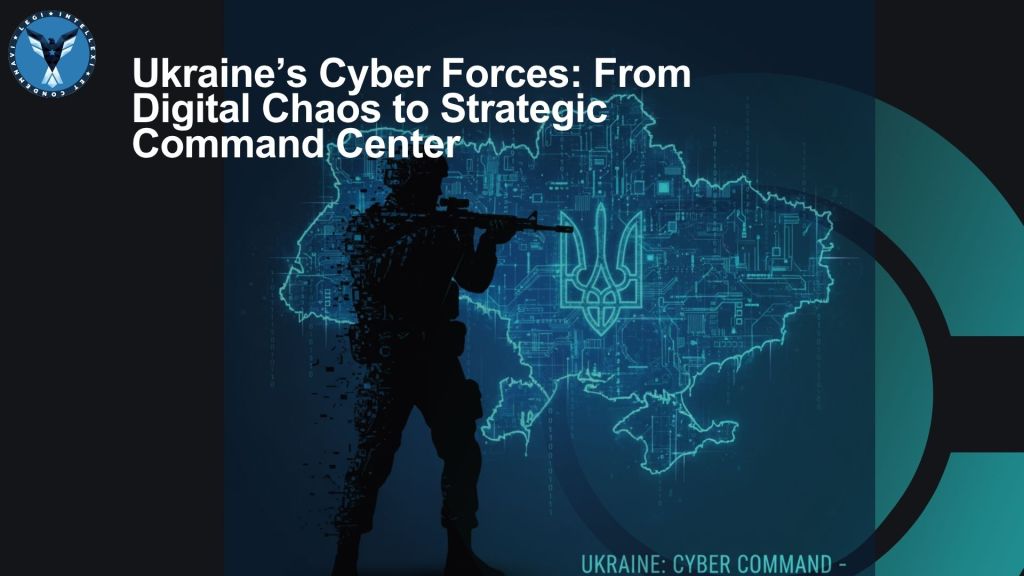
Ukraine’s Cyber Forces: From Digital Chaos to Strategic Command Center
Ukraine is establishing Cyber Forces to enhance its defense against cyber threats amid the ongoing war with Russia. This new military branch, created under a law passed by the Verkhovna Rada, aims to centralize and professionalize cyber operations. It intends to improve coordination among various units and integrate civilian cyber experts, reflecting a shift in…
-
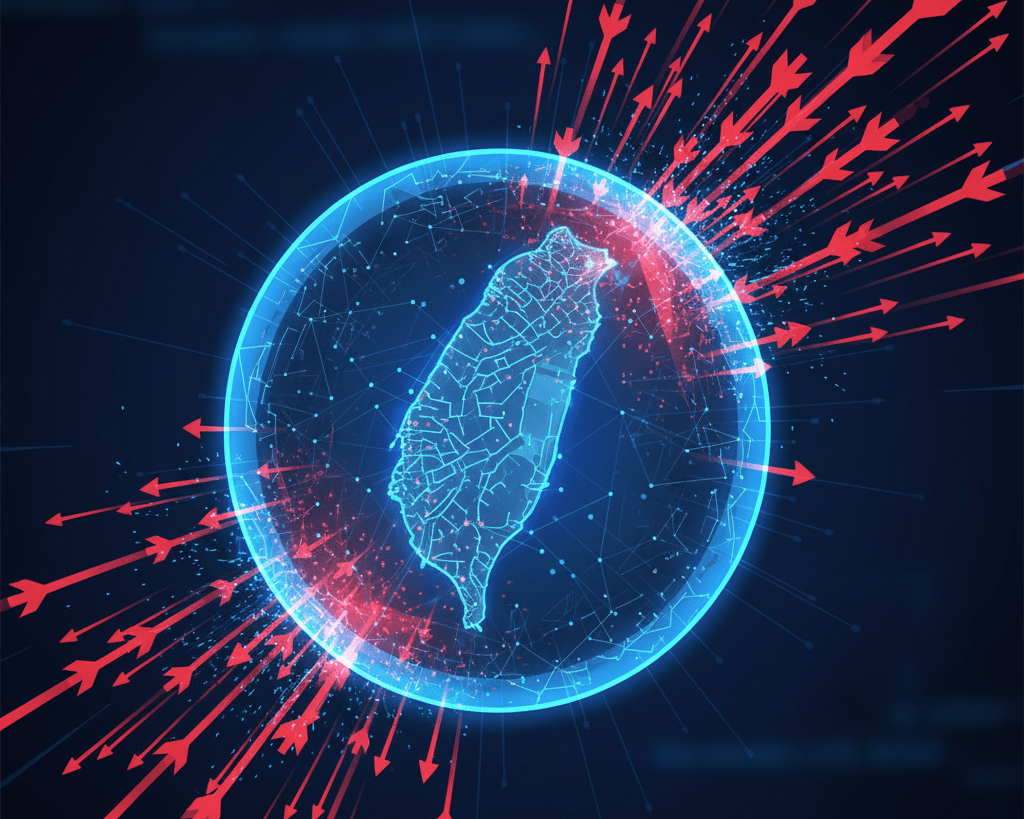
The Digital Battleground: Taiwan Under Siege in the New Era of Cyber Warfare
Taiwan faces an unprecedented average of 2.8 million cyberattacks daily, significantly escalating its vulnerability amid increasing geopolitical tensions. These attacks target crucial sectors, enhanced by coordinated disinformation campaigns aiming to undermine public trust. This growing cyber warfare exemplifies modern conflict’s shift, presenting challenges for democratic societies defending their sovereignty against multifaceted digital threats.
