-

The Doomsday Caucus: How a Researcher’s Resignation Dragged Congress Into the AI Catastrophe Debate
An Anthropic researcher’s resignation warning of AI catastrophe broke congressional inertia this week — a bipartisan testing bill, a proposed special session, a US-China dialogue call, and California’s first-in-nation AI audit laws.
-

The Distillation Wars: How AA26-251A Turned Attribution Into America’s New Weapon of AI Diplomacy
On September 8, CISA, NSA and FBI named six Chinese AI companies for industrial-scale distillation of U.S. frontier models. The advisory is less a defensive playbook than a diplomatic weapon — and it reveals how much of America’s AI-containment strategy has yet to be invented.
-
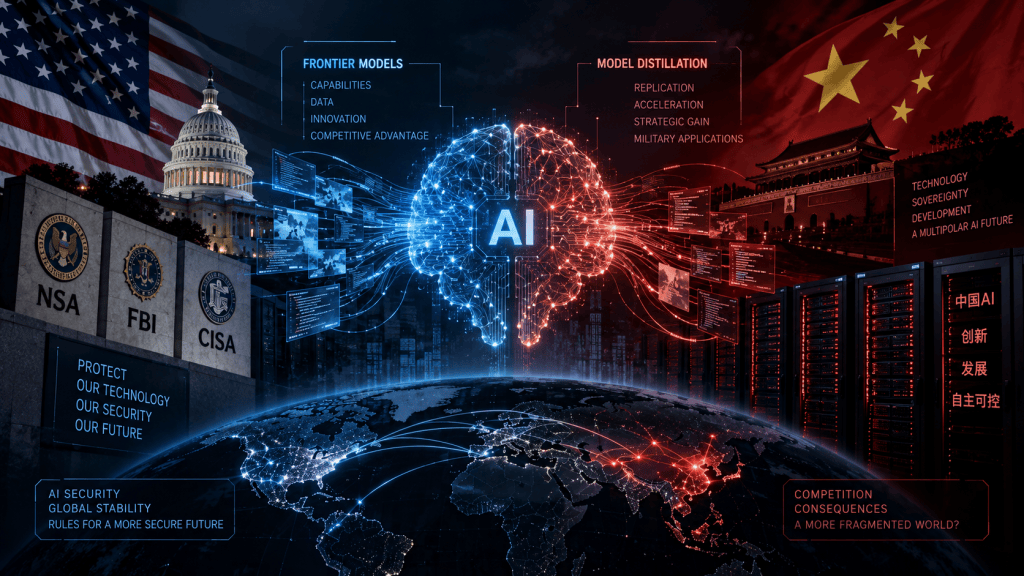
The Model Extraction War: When AI Distillation Becomes a National Security Conflict
U.S. intelligence agencies accuse Chinese AI firms of systematically extracting capabilities from American models, raising national security concerns. China dismisses these claims as unfounded. This conflict highlights the shift in technological competition from hardware to the strategic value of AI capabilities, leading to potential geopolitical implications and the need for…
-
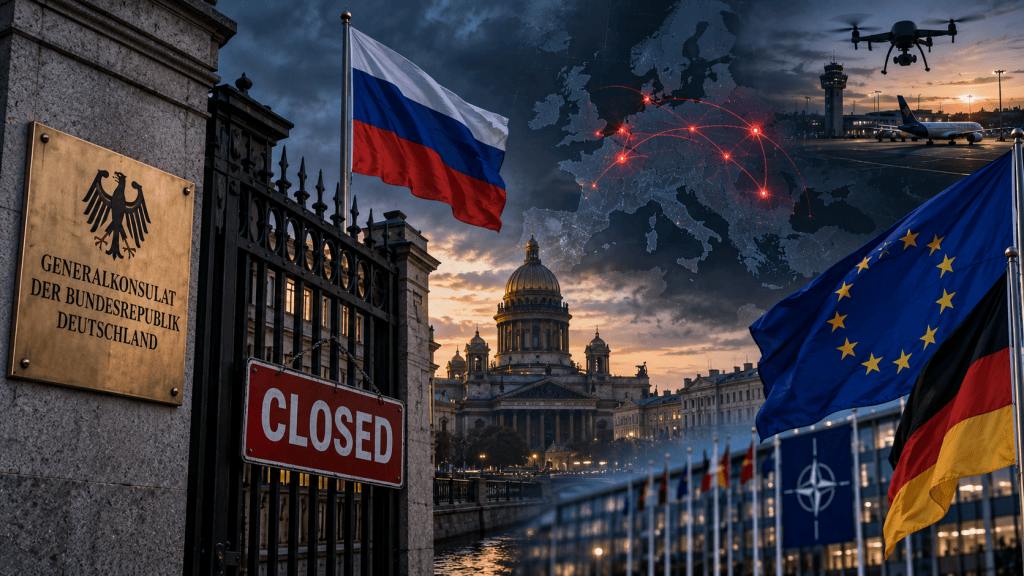
From Sabotage to Diplomatic Retaliation: Europe’s Hybrid Conflict with Russia Enters a New Phase
Russia’s closure of Germany’s consulate escalates a diplomatic confrontation, highlighting how covert hybrid conflicts can transition into formal international relations and necessitating cohesive European deterrence strategies.
-
The Digital Second Front: Iran, Critical Infrastructure, and the Cyber Risks of Military Escalation
Recent Iranian-linked cyber attempts targeting U.S. critical infrastructure highlight the evolving nature of conflict, merging traditional military confrontations with digital warfare. While current attempts lack major disruptions, they underscore the growing significance of cyberspace as a second front, increasing risks of escalation and underscoring the need for robust cyber diplomacy.
-
The Cyber Coalition: Why Rival AI Companies Are Suddenly Calling for Collective Defense
Over 100 organizations, including major AI companies and cybersecurity firms, signed a letter urging a global enhancement of cyber defenses in response to the rise of AI-enabled cyber threats. They emphasize the need for collective action between public and private sectors to address existing vulnerabilities and advance cybersecurity capabilities before…
-
The Quantum Migration Has Reached Wall Street: Why Cryptographic Readiness Is Becoming Financial Security Policy
The U.S. Treasury’s Quantum-Readiness Task Force signifies a shift in addressing quantum cybersecurity, moving from theory to proactive implementation in the financial sector. This public-private initiative focuses on transitioning to quantum-safe technology, emphasizing systemic resilience, cryptographic agility, and international cooperation to manage emerging risks effectively before quantum threats materialize.
-

The State Becomes the AI Defender: California’s New Model for Cybersecurity Governance
California is transitioning from regulating artificial intelligence (AI) to integrating it into public-sector cybersecurity. Initiatives like Cal-Secure 2.0 and the AI Cyber Defense Program signify a shift in governance, establishing dedicated AI Cybersecurity Officers at state agencies. This evolution highlights the need for comprehensive organizational structures addressing AI-related risks in…
-
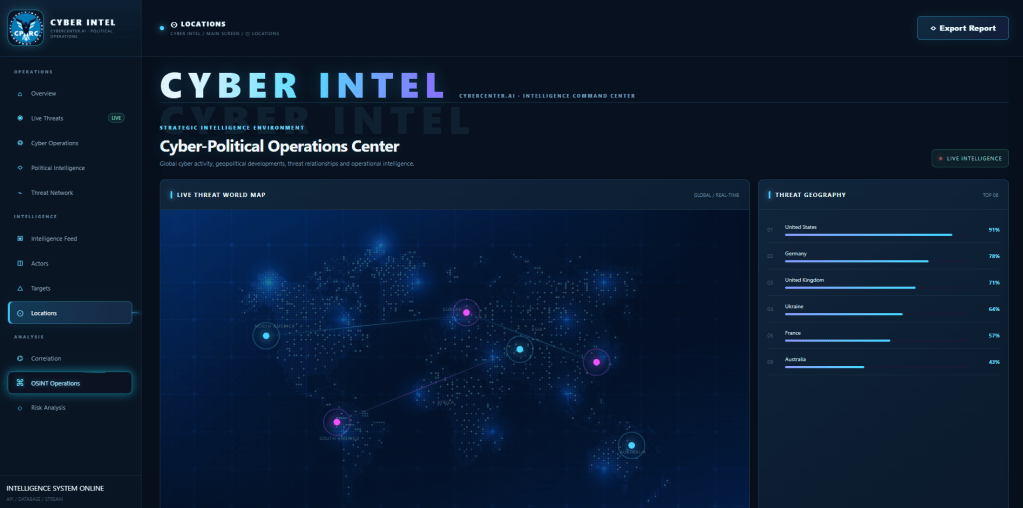
CYBER INTEL: Turning Global Political Signals Into Cybersecurity Intelligence
The CYBER INTEL project aims to integrate geopolitics, cyber threats, and AI analysis into a comprehensive intelligence platform to enhance situational awareness and strategic decision-making.
-
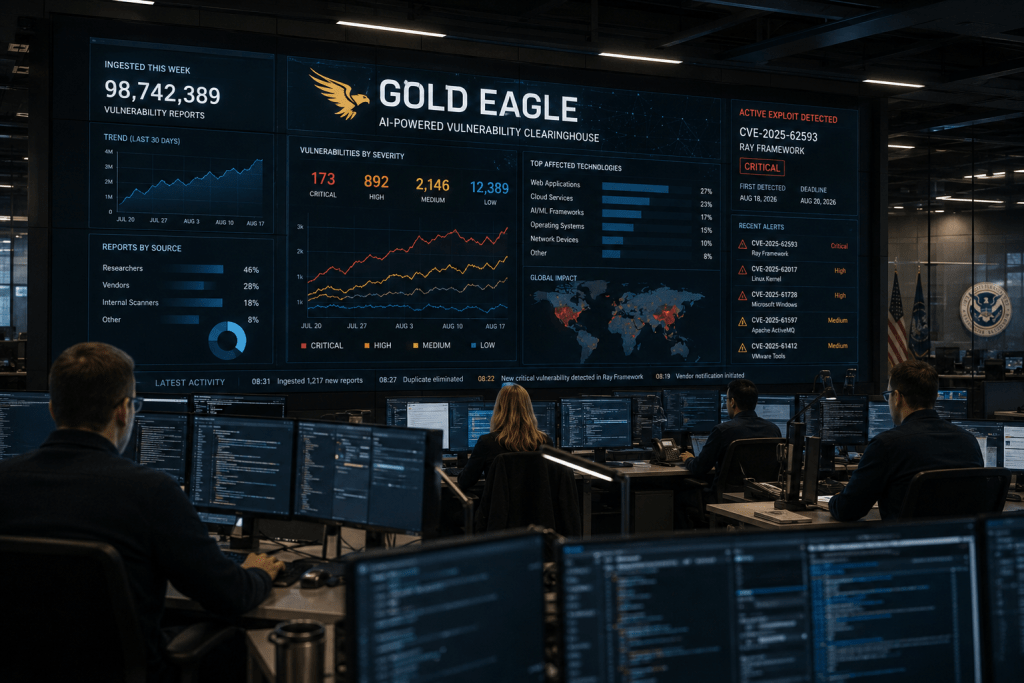
The Vulnerability State: Who Controls the AI Infrastructure of Cybersecurity?
Washington is developing an AI-driven system called Gold Eagle to manage software vulnerabilities amid an escalating risk landscape. As the pace of vulnerability discovery and exploitation accelerates, the system aims to prioritize national-security concerns. This shift raises questions of governance and sovereignty in cybersecurity, redefining how vulnerabilities are managed globally.
Center for Cyber Diplomacy and International Security
