
Category: Vladimir Tsakanyan
-

The Digital Great Game: Cyber Capacity Building and the New Competition for Central Asia
Washington’s modest $5 million cybersecurity assistance to Central Asia aims to strengthen digital capacity amid growing geopolitical competition with Russia and China. While financially insignificant, it fosters strategic relationships, enabling the region to maintain technological autonomy. This reflects a shift towards cybersecurity as an essential component of foreign policy.
-

The Invisible Technology Transfer: When Open Research Becomes a National Security Battleground
MI5’s warning regarding Chinese-funded research highlights a significant shift in international security, emphasizing that academic collaboration may inadvertently facilitate technology transfer beneficial to foreign intelligence. While traditional scientific cooperation has fostered progress, the blending of civilian and strategic research raises questions about safeguarding sensitive knowledge without hindering global scientific collaboration.
-

AI Enters the Security Council: Frontier Models Become an Issue of International Peace and Security
AI developers, including DeepSeek and OpenAI, are addressing the UN Security Council regarding the implications of artificial intelligence on international security. This shift signifies AI’s transition from policy discussions to critical security debates, highlighting the need for governance that incorporates both state and private sector insights to manage emerging geopolitical…
-
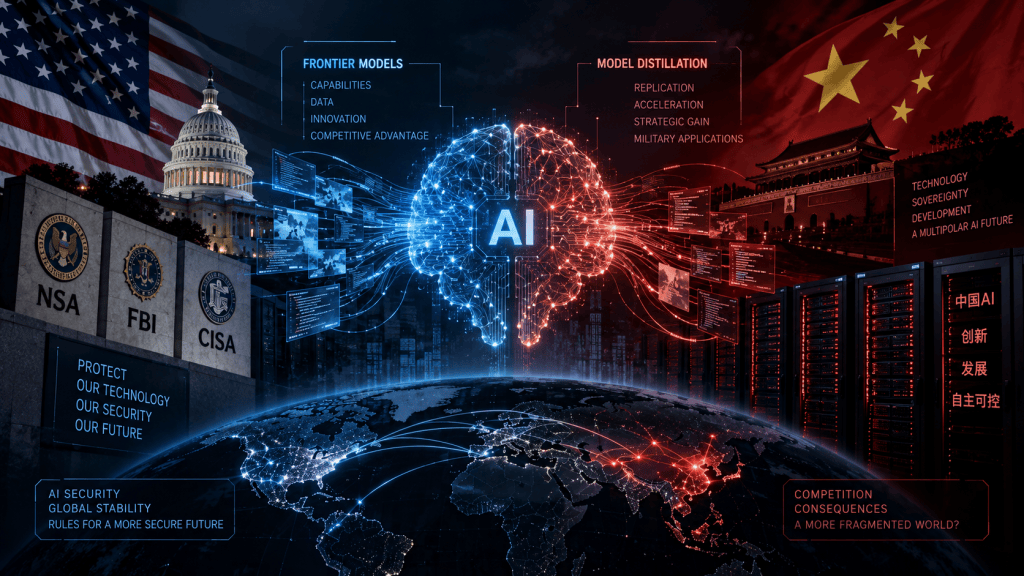
The Model Extraction War: When AI Distillation Becomes a National Security Conflict
U.S. intelligence agencies accuse Chinese AI firms of systematically extracting capabilities from American models, raising national security concerns. China dismisses these claims as unfounded. This conflict highlights the shift in technological competition from hardware to the strategic value of AI capabilities, leading to potential geopolitical implications and the need for…
-
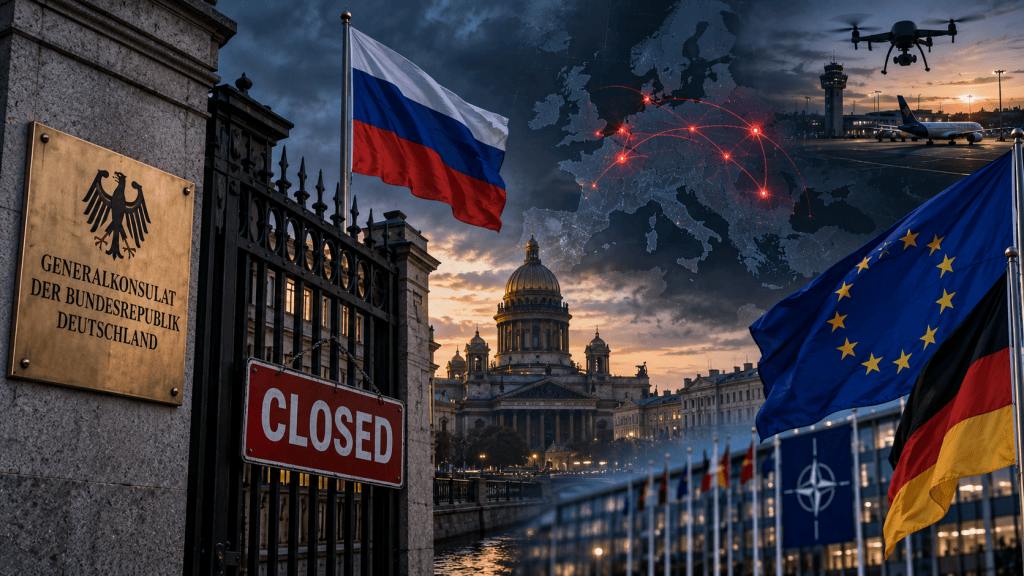
From Sabotage to Diplomatic Retaliation: Europe’s Hybrid Conflict with Russia Enters a New Phase
Russia’s closure of Germany’s consulate escalates a diplomatic confrontation, highlighting how covert hybrid conflicts can transition into formal international relations and necessitating cohesive European deterrence strategies.
-
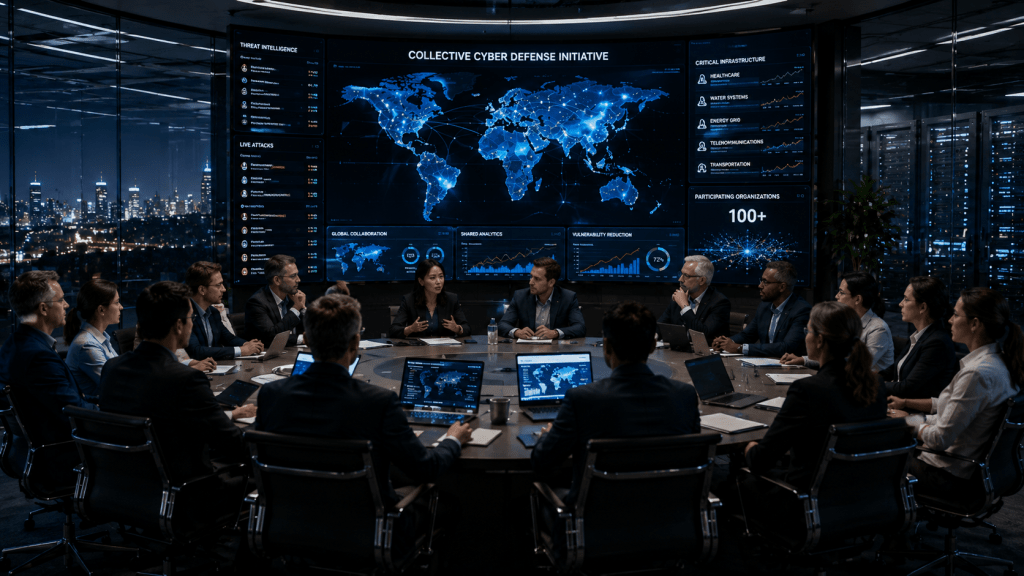
The Digital Second Front: Iran, Critical Infrastructure, and the Cyber Risks of Military Escalation
Recent Iranian-linked cyber attempts targeting U.S. critical infrastructure highlight the evolving nature of conflict, merging traditional military confrontations with digital warfare. While current attempts lack major disruptions, they underscore the growing significance of cyberspace as a second front, increasing risks of escalation and underscoring the need for robust cyber diplomacy.
-
The Cyber Coalition: Why Rival AI Companies Are Suddenly Calling for Collective Defense
Over 100 organizations, including major AI companies and cybersecurity firms, signed a letter urging a global enhancement of cyber defenses in response to the rise of AI-enabled cyber threats. They emphasize the need for collective action between public and private sectors to address existing vulnerabilities and advance cybersecurity capabilities before…
-

The Quantum Migration Has Reached Wall Street: Why Cryptographic Readiness Is Becoming Financial Security Policy
The U.S. Treasury’s Quantum-Readiness Task Force signifies a shift in addressing quantum cybersecurity, moving from theory to proactive implementation in the financial sector. This public-private initiative focuses on transitioning to quantum-safe technology, emphasizing systemic resilience, cryptographic agility, and international cooperation to manage emerging risks effectively before quantum threats materialize.
-

The State Becomes the AI Defender: California’s New Model for Cybersecurity Governance
California is transitioning from regulating artificial intelligence (AI) to integrating it into public-sector cybersecurity. Initiatives like Cal-Secure 2.0 and the AI Cyber Defense Program signify a shift in governance, establishing dedicated AI Cybersecurity Officers at state agencies. This evolution highlights the need for comprehensive organizational structures addressing AI-related risks in…
-
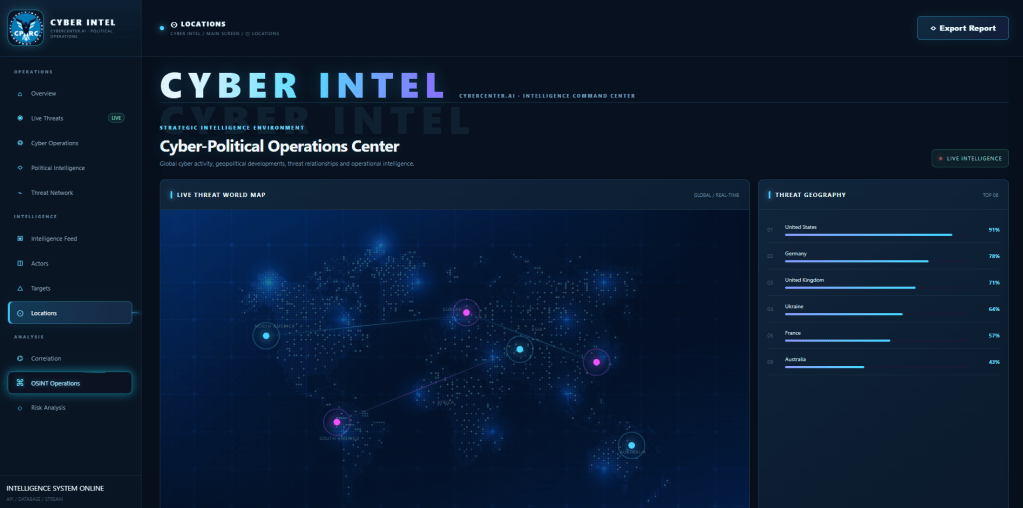
CYBER INTEL: Turning Global Political Signals Into Cybersecurity Intelligence
The CYBER INTEL project aims to integrate geopolitics, cyber threats, and AI analysis into a comprehensive intelligence platform to enhance situational awareness and strategic decision-making.
