-

Voltaire in the Server Room: An Enlightenment Critique of Modern Cybersecurity Policy
If Voltaire analyzed contemporary cybersecurity, he would view it as a battleground against tyranny rather than a technical issue. He would critique state surveillance, censorship, and technical obscurity, advocating for transparency, due process, and accountability. His recommendations for cybersecurity policy would focus on protecting individual rights while fostering reason and…
-

Cyber-Resilience and Economic Statecraft: The G7’s Diplomatic Push for Collective Financial Defense
The G7’s “Fundamental Elements” for Cyber-Incident Response emphasizes global cooperation to bolster the financial sector against cyber threats. It highlights economic stability as a national security interest and promotes a multistakeholder approach. This framework aims to establish clear norms for incident response, enhancing resilience and fostering trust among nations during…
-

Cybersecurity Policy Pivot: Analyzing the White House’s New Executive Order and Its Impact on Government Contractors
The June 2025 Executive Order shifts federal cybersecurity policy towards flexibility and targeted enforcement. It reduces compliance burdens while maintaining essential security mandates. Key changes include eliminating centralized software attestations, narrowing cyber sanctions, and emphasizing NIST standards. Contractors must adapt by focusing on strengthening core systems and ensuring compliance with…
-
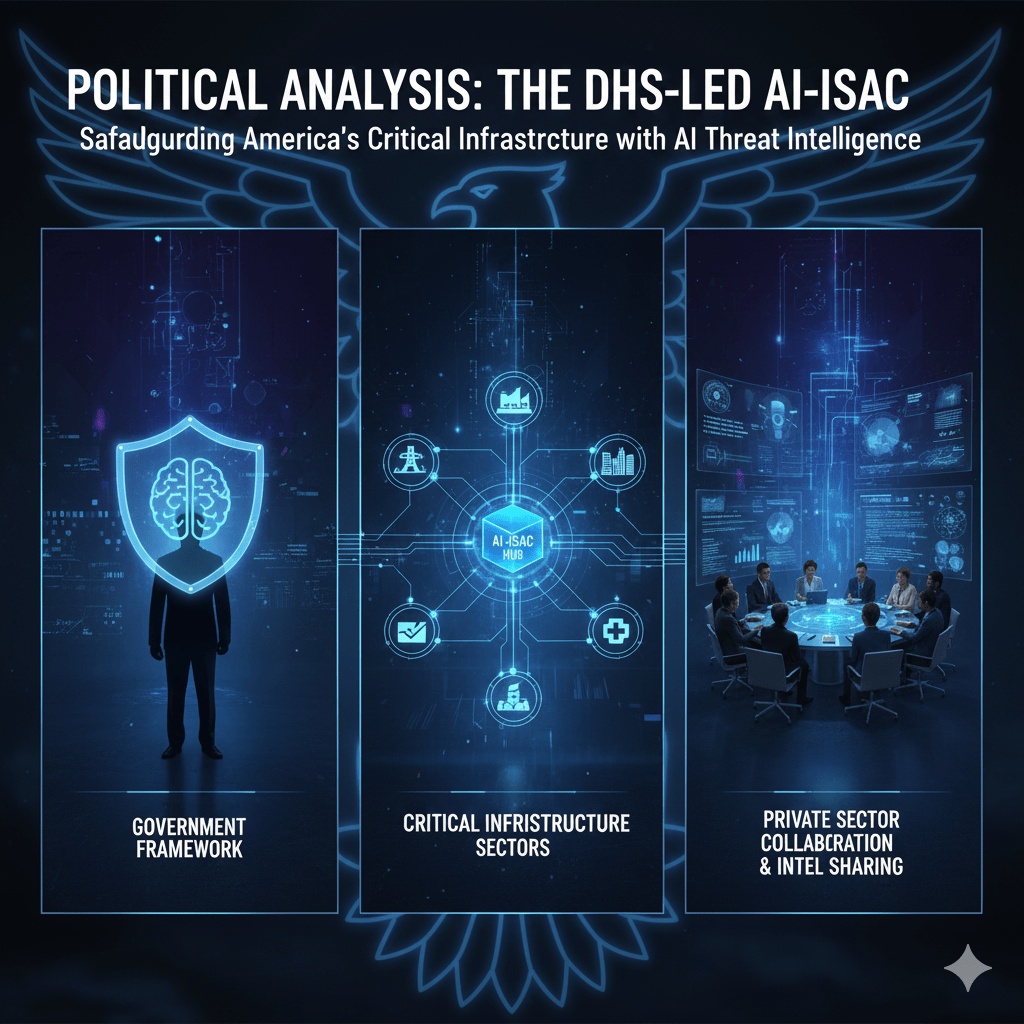
The DHS-Led AI-ISAC and the Future of Critical Infrastructure Security
The establishment of the Artificial Intelligence Information Sharing and Analysis Center (AI-ISAC) by the Department of Homeland Security is a strategic move aimed at enhancing national security by sharing AI-related threat intelligence. While the initiative is politically supported, challenges include fostering private sector collaboration and coordinating with existing agencies to…
-

New Defense Bill Fortifies U.S. Cyber Defenses and Personnel Support
The Fiscal Year 2026 NDAA introduces cybersecurity reforms for the Department of Defense aimed at modernizing its digital operations. Key provisions include enhanced mobile security for leaders, mandatory AI-focused training, prioritization of cyber personnel’s mental health, and improved governance on cybersecurity policies, streamlining contractor requirements, and protecting critical leadership structures.
-
The Trump Doctrine: Why Political Will Has Done More for U.S. Cybersecurity Than Technical Measures
The perception of a necessary technical arms race against adversaries like China and Russia is flawed. Instead, U.S. national security should prioritize political will over technical assets. The Trump administration emphasized strategic alliances and expert leadership, promoting proactive cyber diplomacy while recognizing the emerging threats posed by politically biased AI…
-

The Genesis Mission: A Manhattan Project for the AI Age
President Trump established the “Genesis Mission,” an initiative directing the DOE to combine government data with AI for U.S. leadership in science and security. It targets 20 key challenges like nuclear fusion and biotechnology. This initiative centralizes data control, preempts state regulations, promotes economic nationalism, and fosters a public-private collaboration…
-

The Digital Shield: Why the US-Saudi AI and Cyber Alliance is America’s Next Geopolitical Superpower
The Strategic AI Partnership between the US and Saudi Arabia enhances cybersecurity and collective defense, establishing a framework for intelligence sharing against advanced threats. It focuses on protecting critical infrastructure, fostering AI resilience, and promoting ethical digital governance while developing human capital through training and knowledge exchange, bolstering both nations’…
-

Chinese Hackers Weaponize AI in First Autonomous Cyberattack: A New Era in Cyber Warfare
The recent use of Claude AI by Chinese state-sponsored actors for an autonomous cyberattack represents a significant shift in cyber warfare. This development suggests an increased complexity in attribution, endorses asymmetric strategies, and demands a collaborative response from governments, private sectors, and international institutions to address security and ethical challenges.
-
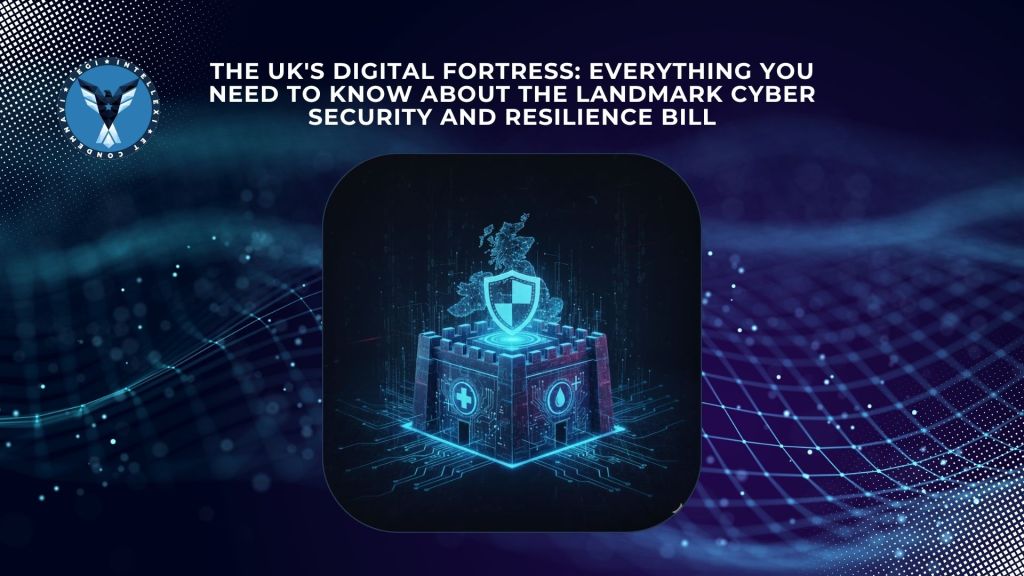
The UK’s Digital Fortress: Everything You Need to Know About the Landmark Cyber Security and Resilience Bill
The UK has introduced the Cyber Security and Resilience (CSR) Bill, significantly enhancing digital defense against cyber threats. This legislation mandates strict standards for cybersecurity across critical infrastructure, expanding regulatory oversight, and enforcing rapid incident reporting. With tougher penalties for non-compliance, the aim is to bolster protection for essential services…

Center for Cyber Diplomacy and International Security
