-
The New Front Line: 5 Steps States Must Take to Survive the Current Wave of Public Sector Cyberattacks
Recent events highlight a dire state of public sector cybersecurity, marked by notable attacks on the CBO and Nevada’s ransomware breach. States face increasing threats from nation-state actors and human error, necessitating proactive measures like advanced training, multi-factor authentication, centralized IT security, cyber insurance, and partnerships with federal agencies for…
-
Politically Biased Prompt Injection: When AI Becomes an Ideological Battlefield
The intersection of AI and politics poses a significant threat through politically biased prompt injection, manipulating AI systems for propaganda. This tactic exploits vulnerabilities, raising concerns over democratic processes, the integrity of information, and calls for accountability and education.
-
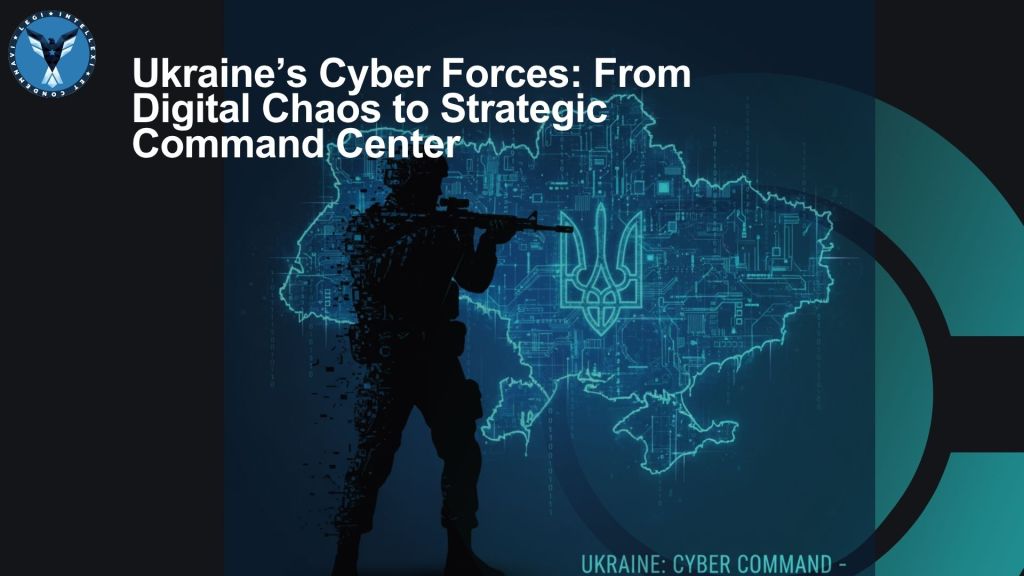
Ukraine’s Cyber Forces: From Digital Chaos to Strategic Command Center
Ukraine is establishing Cyber Forces to enhance its defense against cyber threats amid the ongoing war with Russia. This new military branch, created under a law passed by the Verkhovna Rada, aims to centralize and professionalize cyber operations. It intends to improve coordination among various units and integrate civilian cyber…
-
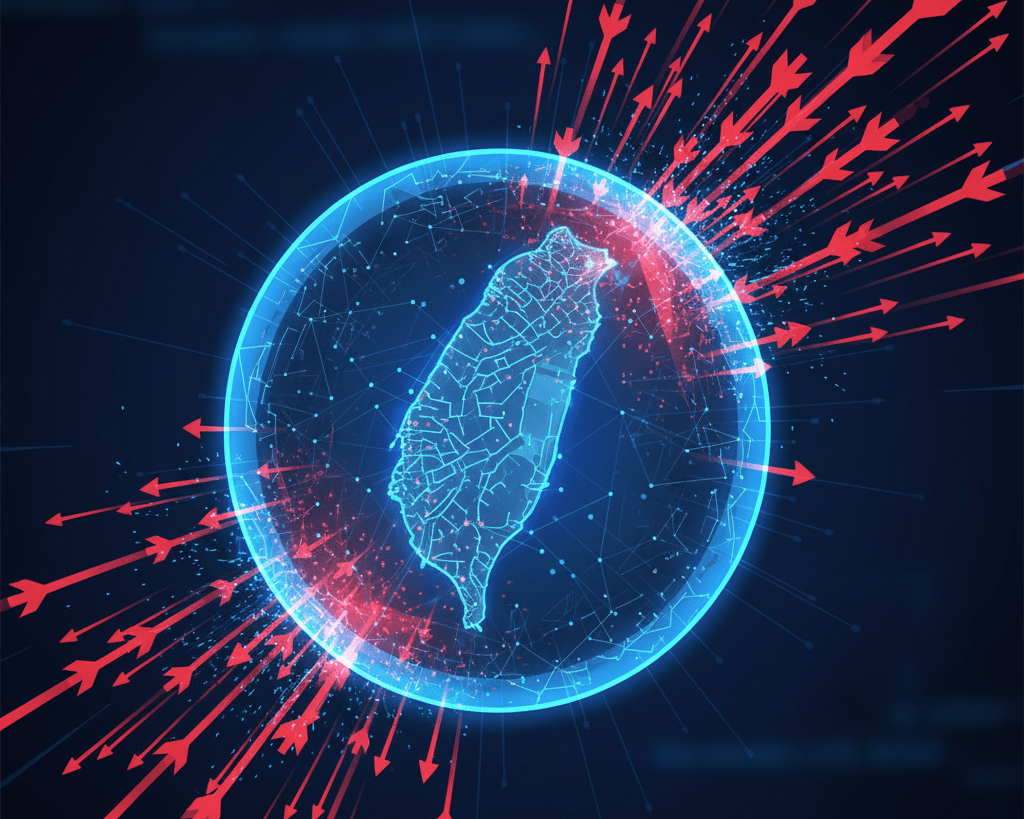
The Digital Battleground: Taiwan Under Siege in the New Era of Cyber Warfare
Taiwan faces an unprecedented average of 2.8 million cyberattacks daily, significantly escalating its vulnerability amid increasing geopolitical tensions. These attacks target crucial sectors, enhanced by coordinated disinformation campaigns aiming to undermine public trust. This growing cyber warfare exemplifies modern conflict’s shift, presenting challenges for democratic societies defending their sovereignty against…
-
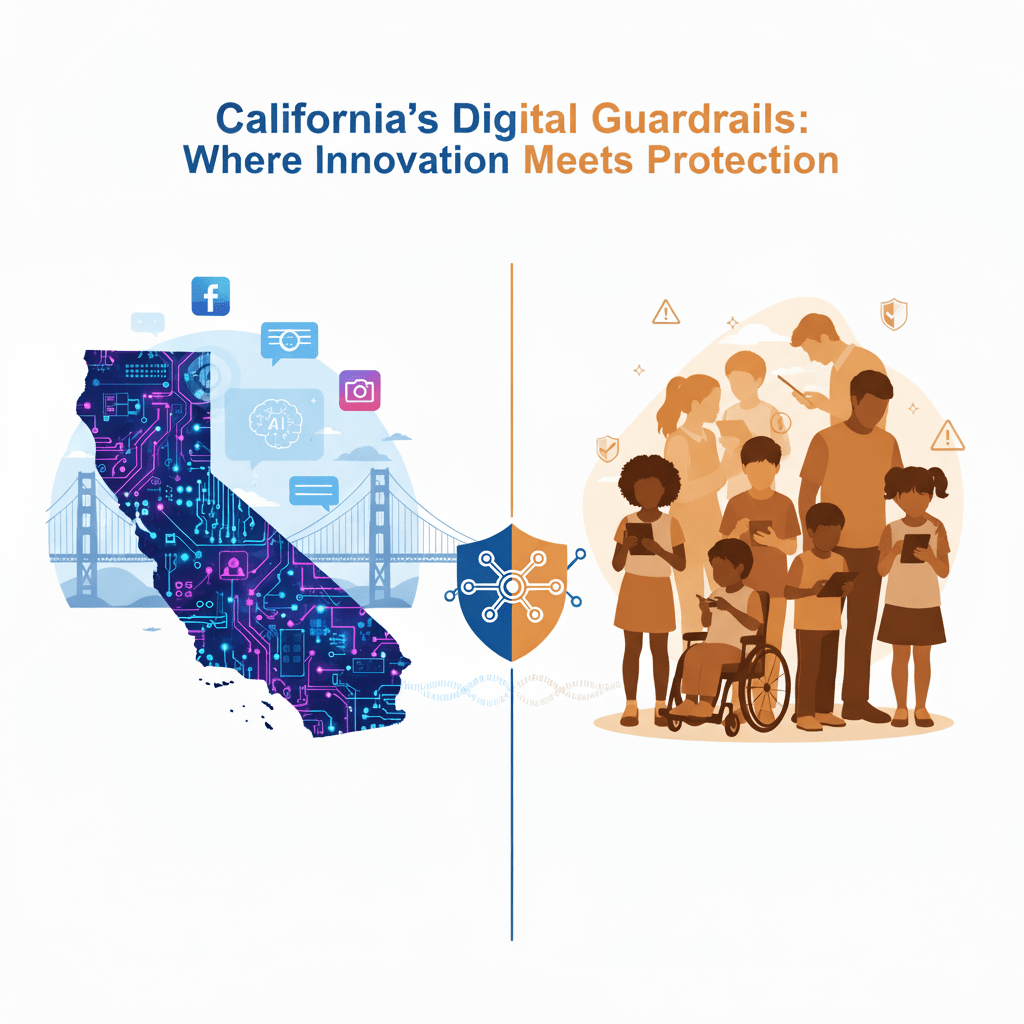
When Silicon Valley Met Sacramento: How California’s Bold New Tech Laws Are Rewriting the Rules of Digital Childhood
California’s recent legislation, signed by Governor Newsom, mandates comprehensive protections for minors regarding AI and social media. Key measures include age verification, chatbot transparency, social media warning labels, and strengthened penalties against deepfake pornography. By holding tech companies accountable, California aims to foster a safer online environment for children while…
-
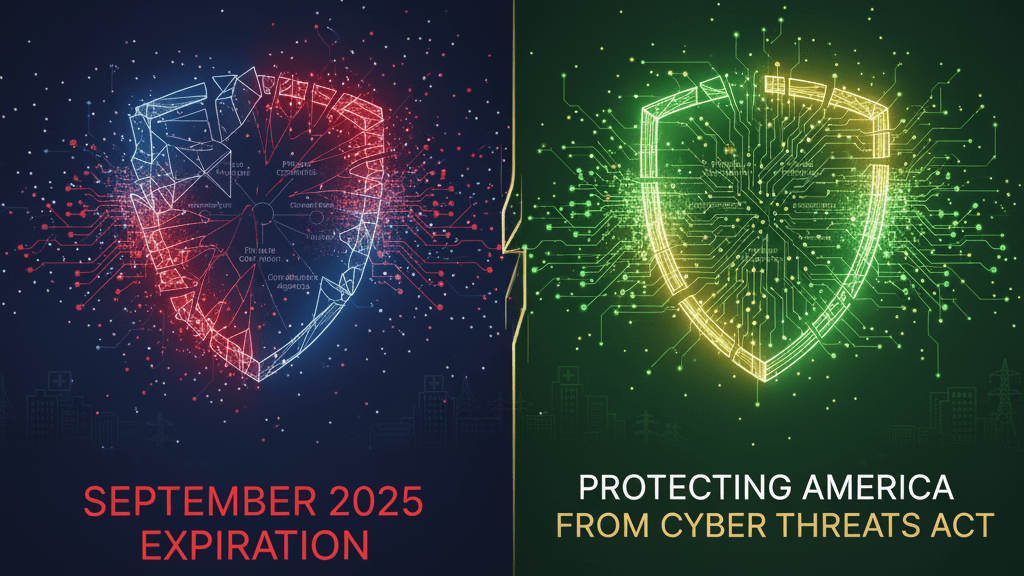
US Cybersecurity Legislation Developments: Restoring Expired Information Sharing Protections
On September 30, 2025, the Cybersecurity Information Sharing Act of 2015 expired, impacting the exchange of cyber threat intelligence between companies and federal agencies. This lapse has raised concerns about heightened vulnerability to cyberattacks. In response, a bipartisan effort has launched the Protecting America from Cyber Threats Act to restore…
-

Cybersecurity Takes Center Stage in Global Diplomacy
By Vladimir Tsakanyan. Cybersecurity has evolved from a technical issue to a vital aspect of international relations, driven by increasing cyberattacks that threaten national security. It now intersects with trade, defense, and human rights. Effective cyber diplomacy involves multi-stakeholder engagement and accountability mechanisms, emphasizing the need for cooperation and stability…
-

The G7 Cyber Expert Group and AI: Steering Global Finance Toward Resilient Innovation
On October 6, 2025, the G7 Cyber Expert Group (CEG) released a statement addressing AI’s risks and benefits in global finance. It establishes a non-binding practice framework, emphasizing AI risk management integration, data governance, and crisis response updates. The focus is on enhancing resilience while balancing innovation and financial stability.
-

The EU’s Regulatory Revolution: How New Cybersecurity Laws Are Reshaping Global Digital Standards
The European Union is revolutionizing global cybersecurity through new regulations, beginning in 2025. Key initiatives include NIS 2’s expanded scope, DORA’s financial sector resilience measures, the Cyber Resilience Act prioritizing security in product design, and the AI Act’s governance of artificial intelligence. These frameworks mandate comprehensive compliance, impacting organizations worldwide.
-
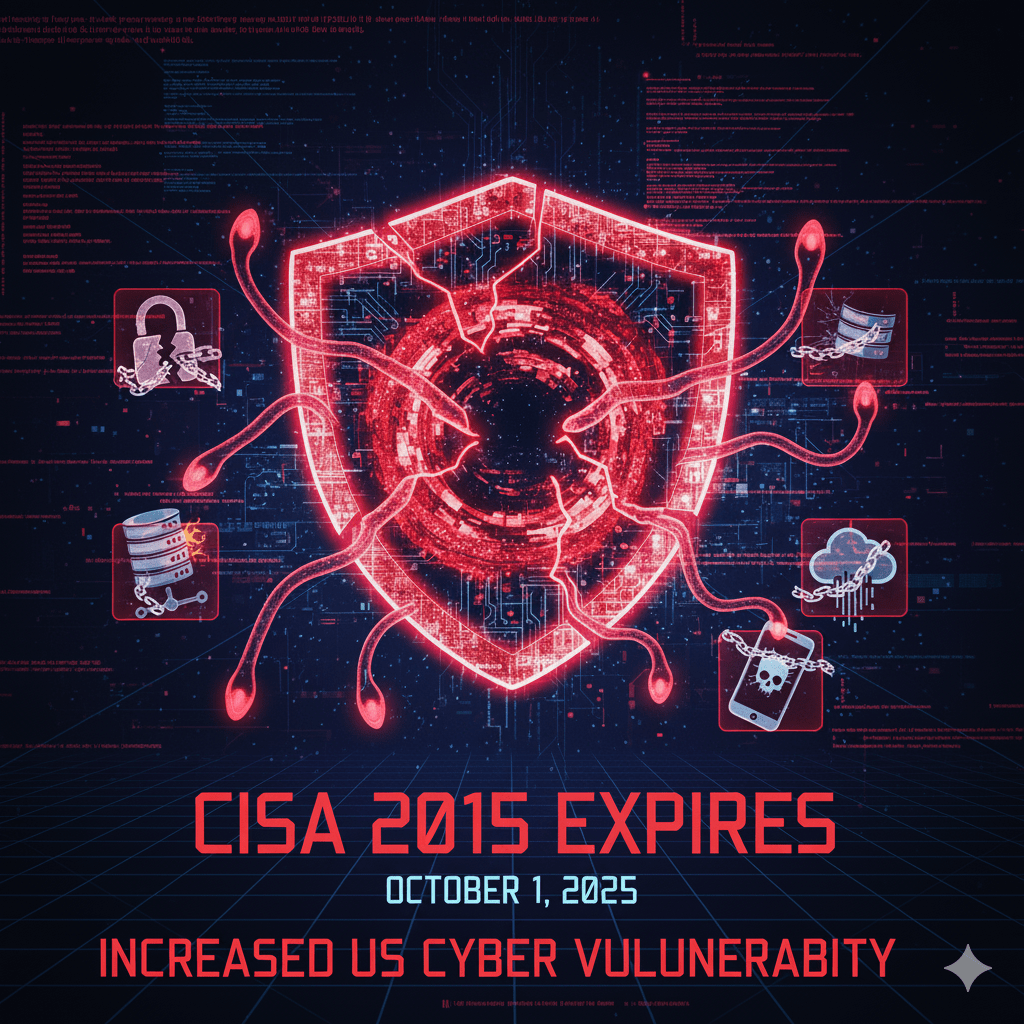
CISA 2015 Expires: The Failure That Increased US Cyber Vulnerability
U.S. digital defense faces significant risks due to legislative stagnation, exemplified by the CISA 2015 expiration and CISA workforce furloughs. This analysis explores how political disputes compromise national cyber resilience, highlighting the need for proactive reforms to restore operational stability and ensure continuous information sharing in digital defense against adversaries.
Center for Cyber Diplomacy and International Security
