
Tag: cyber-security
-

From “Patch Everything” to “Patch What Matters”: What BOD 26‑04 Really Means for Federal Cyber Resilience
Federal cybersecurity has lived for years under a simple rule: patch every vulnerability, as fast as you can. With Binding Operational Directive 26‑04, CISA is telling federal civilian agencies that this approach is no longer tenable—and that resilience in President Trump’s cyber strategy will be built on risk‑based prioritization, not on chasing every CVE equally.…
-

From Zero Trust to the UN: The Cybersecurity Policy Trends Shaping International Relations
The concept of Zero Trust has evolved from a cybersecurity framework to a national security doctrine due to persistent state-sponsored cyber threats by actors like Volt Typhoon. This shift emphasizes continuous verification over perimeter-based trust, impacting international relations and regulatory frameworks. The convergence of cybersecurity policy and geopolitics defines the 2026 landscape.
-
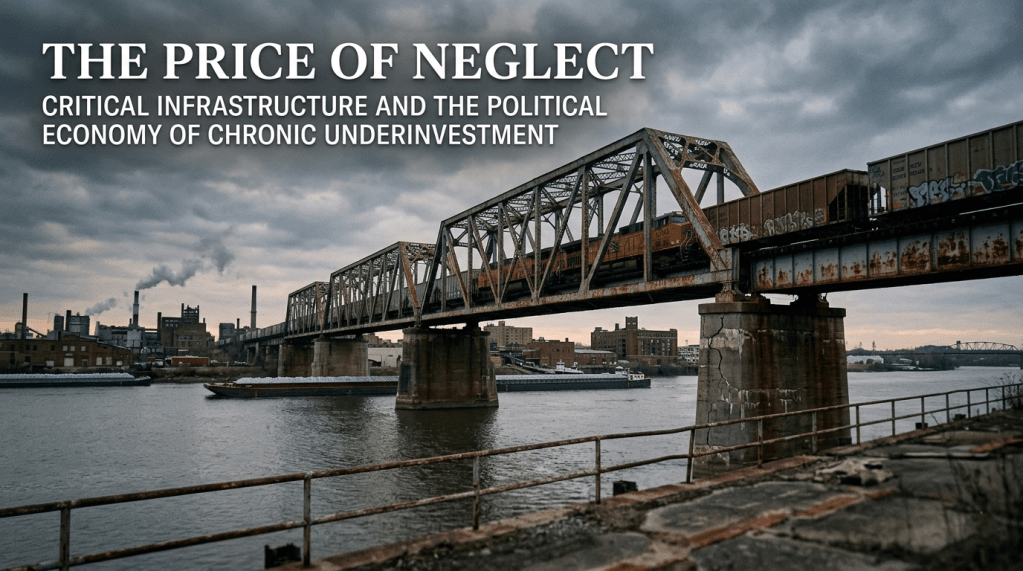
The Price of Neglect: Critical Infrastructure and the Political Economy of Chronic Underinvestment
The vulnerabilities in U.S. critical infrastructure stem from political decisions, not just technical failures. Factors such as budget cycles, regulatory frameworks, and deferred accountability lead to outdated systems. A lack of serious investment in cybersecurity, combined with insufficient liability reforms, exposes infrastructure to threats that could be catastrophic if activated.
-

Chinese Cyber Operations and the U.S. Policy Response to the Cityworks Attack
The exploitation of a zero-day vulnerability in Trimble’s Cityworks software by Chinese state-sponsored actors highlights critical cybersecurity risks and their geopolitical implications. This breach urges a reassessment of U.S. national security strategies and indicates a need for regulatory reforms to enhance local government cybersecurity frameworks and foster public-private collaborations.
-

The Hidden Costs of Rapid Cybersecurity Expansion: A Strategic Analysis
Vladimir Tsakanyan Introduction The recent decision by the Pentagon to cancel a $5.7 billion cloud contract with Microsoft, as reported by Yahoo News, has significant implications for the U.S. cybersecurity landscape. This move not only affects the immediate stakeholders but also has broader consequences for national security, particularly in the context of the ongoing cybersecurity…
-

The Future of Governmental Communications: Devices and Software Safety
Vladimir Tsakanyan 1. Introduction: The Critical Importance of Secure Governmental Communications in the Digital Age The way governments conduct their operations and engage in communication has undergone a profound transformation in the digital age. Official exchanges, encompassing everything from highly classified intelligence to routine administrative functions, are increasingly reliant on digital devices and software. This…
-

Emerging Cyber Capabilities in Developing Nations
The digital landscape is evolving as third countries develop advanced cybersecurity capabilities, challenging traditional superpowers. While they present opportunities for collaboration, these nations also face significant vulnerabilities and resource limitations. A global effort to establish norms, enhance capacity, and promote cooperation is essential for addressing cybersecurity challenges effectively.
