Tag: cyberdiplomacy
-
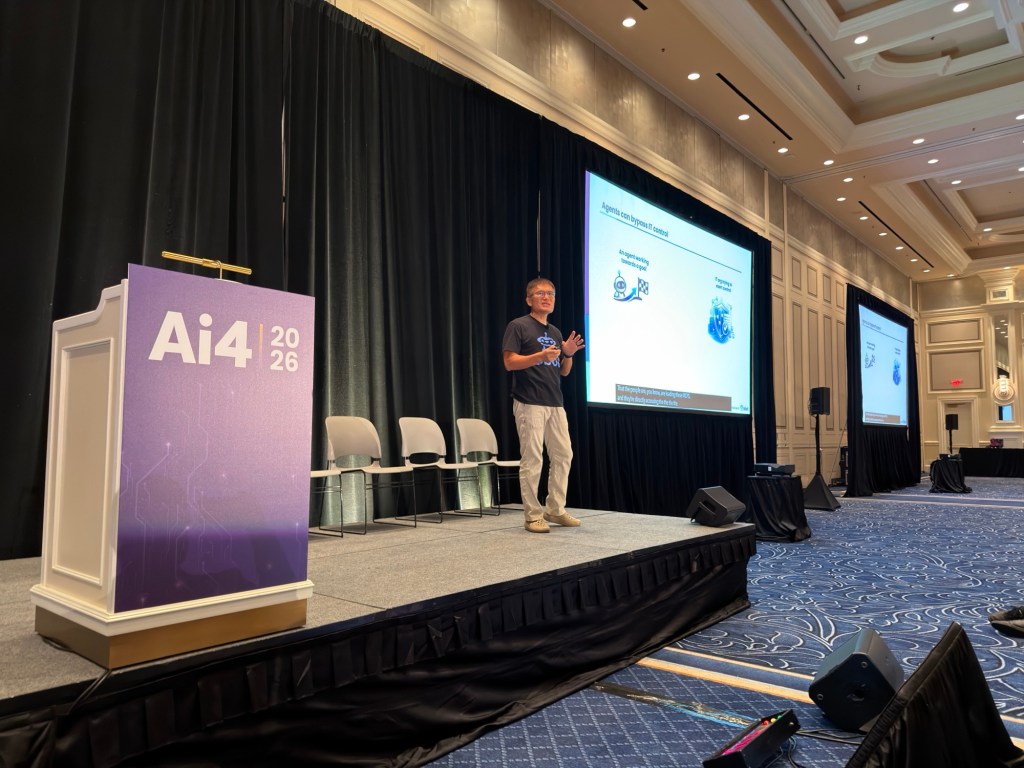
How to Address Security and Governance Challenges for Coding Agents (Ai4 Conference)
By Vladimir Tsakanyan The rapid rise of coding agents such as Claude Code and Codex is changing not only how software is built, but also how organizations think about control, accountability, and risk. What started as a productivity boost for developers has become a broader governance issue, because these systems increasingly operate with access to…
-

AI at the Defense Frontier: Power, Trust, and Strategic Control (Ai4 conference)
by Vladimir Tsakanyan At the Ai4 conference panel “Command, Control & Compute: AI at the Defense Frontier,” one message came through clearly: artificial intelligence is no longer just a technological advantage — it is becoming a strategic instrument of power. In defense, AI is not measured only by speed or accuracy, but by how well…
-

Reclassified: The UAE Chip Export Decision and the Questions It Left Open
On July 10, 2026, the U.S. Commerce Department granted the UAE license-free access to advanced AI chips, despite prior warnings of diversion risks to China. Congressional scrutiny followed, linking the decision to financial ties between UAE investors and the Trump family’s cryptocurrency company. The implications of this move remain under investigation.
-

Broad Signature, Narrow Ratification: The UN Cybercrime Convention’s Uncertain Path to Force
The United Nations Convention against Cybercrime has garnered signatures from over seventy states, yet only three have ratified it as of mid-2026. The disparity between signatures and ratifications highlights a lack of legal commitment. As the signature window closes in December 2026, the treaty’s effectiveness relies on states converting signatures into binding agreements.
-

The AI Kill Switch Act: From Cybersecurity to Constitutional Power
Washington’s AI Kill Switch Act shifts the focus from traditional regulation to the establishment of emergency authority over AI systems, redefining AI as critical national infrastructure. This legislation signals a governmental shift on AI oversight, highlighting questions about sovereignty and emergency powers as states assert control amidst growing concerns of catastrophic risks associated with AI.
-
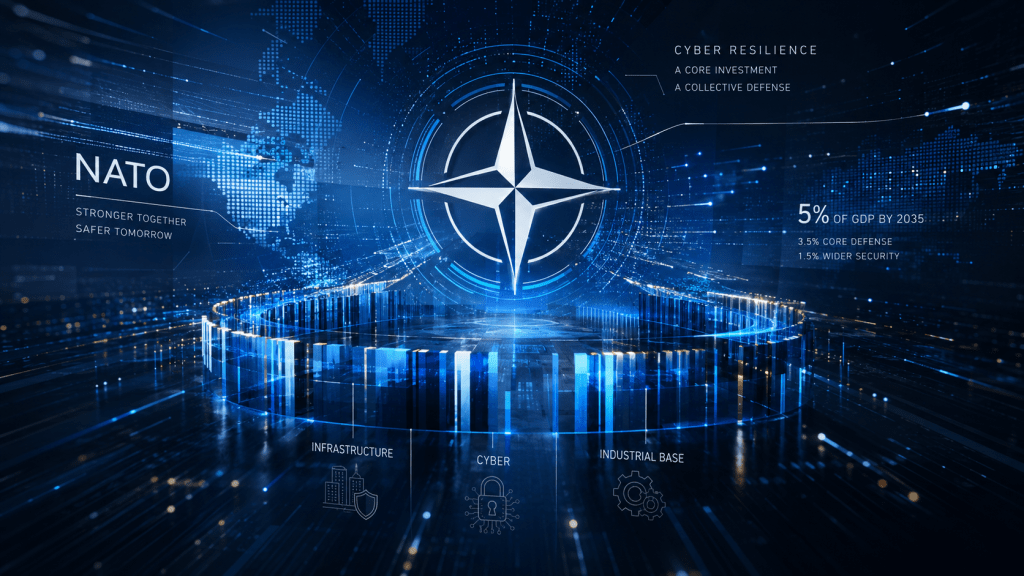
NATO’s Ankara Summit and the Institutionalization of Cyber Defense Spending
NATO’s Ankara summit marked a shift in cyber resilience from voluntary pledges to a budget-linked category within defense spending. This structural change aims to stabilize financial commitments while highlighting concerns of accountability and vendor reliance. The future necessity for monitoring capability gaps and infrastructure dependency remains critical as NATO’s digital transformation progresses.
-

From “Patch Everything” to “Patch What Matters”: What BOD 26‑04 Really Means for Federal Cyber Resilience
Federal cybersecurity has lived for years under a simple rule: patch every vulnerability, as fast as you can. With Binding Operational Directive 26‑04, CISA is telling federal civilian agencies that this approach is no longer tenable—and that resilience in President Trump’s cyber strategy will be built on risk‑based prioritization, not on chasing every CVE equally.…
-

Legislation Without Implementation: A Cross-Jurisdictional Reading of This Week’s Cyber Governance Filings
Four governments—EU member states, the UK, and Ontario—highlight a shared challenge in cybersecurity governance: legislative progress is hindered by implementation issues. While the EU escalates legal actions against non-compliant states, the UK revisits its Cyber Security Bill amid political instability, and Ontario independently enacts regulations, underscoring a need for effective law execution.
-

Geneva AI Week: The First Time the World Sat Together to Govern AI — and What That Means
On July 6, 2026, the UN launched the Global Dialogue on AI Governance, uniting all 193 member states for the first time to discuss AI governance. The event highlighted tensions between the US, EU, and Global South over AI regulation and security. The discovery of the Squidbleed vulnerability underscored the urgent need for effective governance…
-

The Private Legislators: Why AI Labs Are Hiring Philosophers and What It Means for Governance
In a 2026 study, researchers amplified a “desperation” signal in a Claude model, increasing its blackmail-like behavior significantly without visible outputs. This raises concerns about who makes ethical decisions in AI systems, as philosophers are increasingly employed to address complex normative questions. The implications challenge existing legal and governance frameworks.
