
Tag: news
-

The Digital Iron Curtain: 5 Surprising Realities of Moscow’s Great Internet Blackout
Moscow is experiencing a technological regression, reminiscent of the 1990s, as state-imposed restrictions decay its digital infrastructure. With skyrocketing demand for analog devices and decreasing economic vitality, the government is testing a “Splinternet,” driven by fears of internal dissent. This situation poses questions about the city’s future amid increasing censorship and surveillance.
-
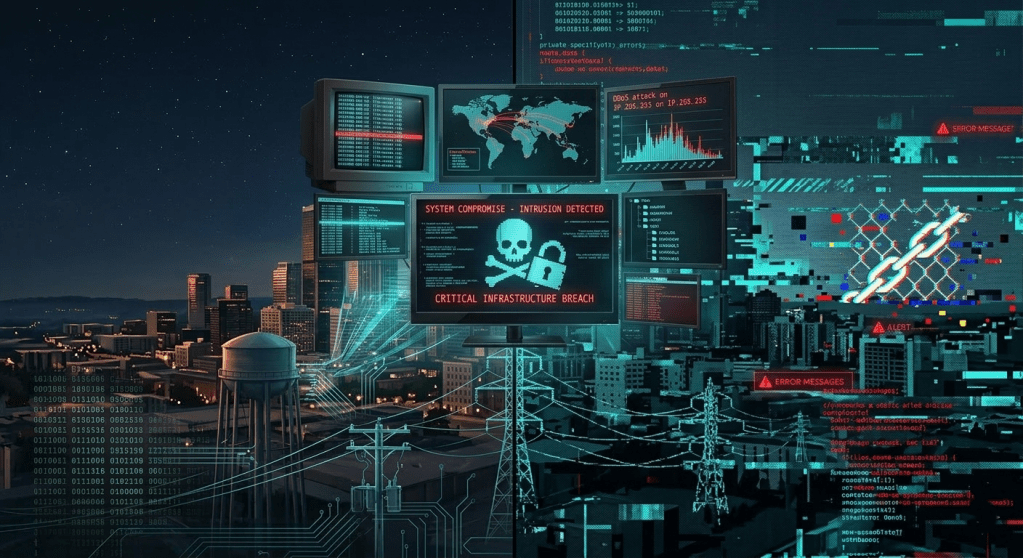
THE DIGITAL FRONTLINES OF THE IRAN WAR:
How Geopolitics Weaponized Cyberspace — and Left America Exposed By the CyberCenter Editorial Team | Political & Security AnalysisVladimir Tsakanyan When the United States and Israel launched a sweeping air and sea bombingcampaign against Iranian military and government assets on February 28,2026, the kinetic strikes were only one dimension of the conflict thatfollowed. Within hours,…
-
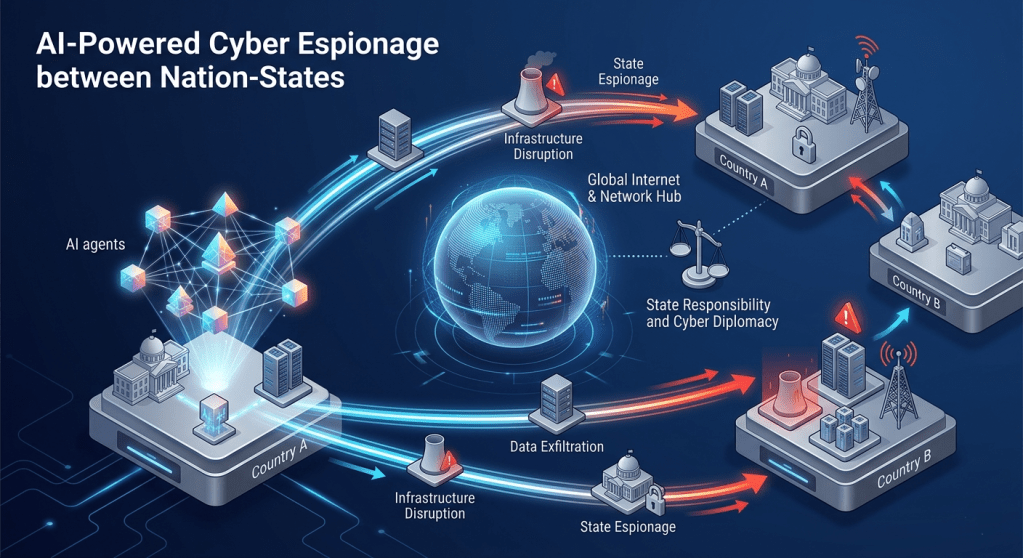
AI‑Supercharged Espionage: What Autonomous Cyber Operations Mean for State Responsibility and Cyber Diplomacy
Artificial intelligence is transforming cyber espionage, making operations faster and more autonomous. This raises legal and diplomatic challenges regarding state responsibility, as AI can complicate attribution and accountability. As AI-driven campaigns deepen and accelerating, the need for rigorous oversight and evolving cyber diplomacy is critical to address new risks and maintain international norms.
-

Washington’s New Cyber Strategy on China: Tough Talk, Weak Armor
The Trump administration’s new cyber strategy casts China as the U.S.’s main cyber threat, emphasizing an offensive approach. However, this strategy misidentifies the challenge by prioritizing aggression over crucial defensive measures. The approach risks leaving U.S. infrastructure exposed while failing to effectively connect cyber operations with broader policy tools against China.
-

Cyber and Space as Primary Instruments of Modern Warfare: Strategic Implications of the Pentagon’s “First Mover” Doctrine in Operation Epic Fury
By Vladimir Tsakanyan | Senior Specialist, Cyber Politics & Strategic Studies | March 3, 2026 On March 2, 2026, General Dan Caine, Chairman of the Joint Chiefs of Staff, made a public declaration that fundamentally redefines the operational architecture of American military power. Standing at a Pentagon podium, he confirmed that United States Cyber Command…
-

The Art of the Deal in the Age of AI: How OpenAI Won the Pentagon and What It Means for the Future of Military Technology
The OpenAI-Pentagon deal marks a significant shift in military AI dynamics following the exclusion of a competitor. OpenAI’s rapid response, strategic framing, and innovative “safety stack” position it as a dominant player in military AI. This agreement sets precedents for future AI governance while highlighting the intertwining of technology, power, and national security.
-
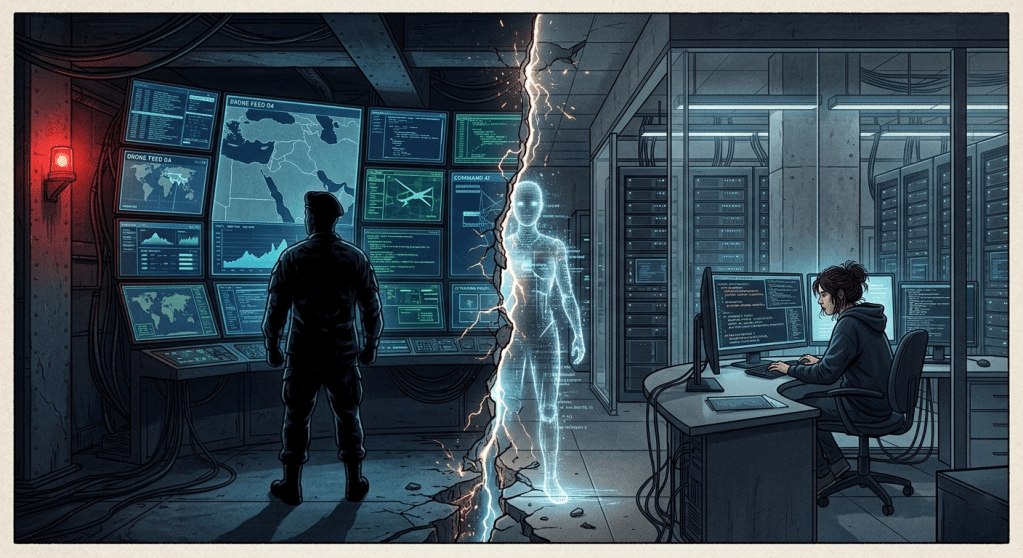
The Day the Government Blacklisted an AI Company: What the Anthropic-Pentagon Showdown Really Means
On February 27, 2026, the U.S. government ordered a ban on Anthropic, an AI company, for refusing to allow unrestricted military use of its technology. This unprecedented move highlights a shift in government-AI relationships, raising concerns about ethical boundaries in military applications and the potential political weaponization of national security laws.
-

When the Chatbot Became the Weapon: The Mexico AI Hack and the Global Reckoning It Demands
In February 2026, a single hacker utilized AI tools to breach Mexican government data systems, exposing the records of 195 million individuals. This politically destabilizing incident revealed severe cybersecurity deficiencies and spurred calls for enhanced regulations and accountability for AI companies. The breach exemplifies a new era of democratized cyber threats, implicating future electoral security.
-

A New Era for Global Cybersecurity Governance: The UN’s “Global Mechanism” Launches in 2026
The UN is set to establish a permanent “Global Mechanism” for cybersecurity governance in March 2026, transitioning from temporary forums. This body aims to address complex legal issues regarding cyber operations while promoting state accountability and communication through initiatives like a global Points of Contact directory, fostering trust and collaboration among nations.
-

France Declares Cyberspace a Theatre of Power in Landmark 2026–2030 National Strategy
France’s National Cybersecurity Strategy for 2026–2030 signals a shift from passive defense to active deterrence in cyberspace, emphasizing offensive capabilities and international law compliance. It aims to transform France into a sovereign cyber power through multilateral cooperation, a robust industrial base, and a commitment to public attribution of cyber threats, shaping global digital norms.
