
Tag: security
-
A New Era for Global Cybersecurity Governance: The UN’s “Global Mechanism” Launches in 2026
The UN is set to establish a permanent “Global Mechanism” for cybersecurity governance in March 2026, transitioning from temporary forums. This body aims to address complex legal issues regarding cyber operations while promoting state accountability and communication through initiatives like a global Points of Contact directory, fostering trust and collaboration among nations.
-
France Declares Cyberspace a Theatre of Power in Landmark 2026–2030 National Strategy
France’s National Cybersecurity Strategy for 2026–2030 signals a shift from passive defense to active deterrence in cyberspace, emphasizing offensive capabilities and international law compliance. It aims to transform France into a sovereign cyber power through multilateral cooperation, a robust industrial base, and a commitment to public attribution of cyber threats, shaping global digital norms.
-
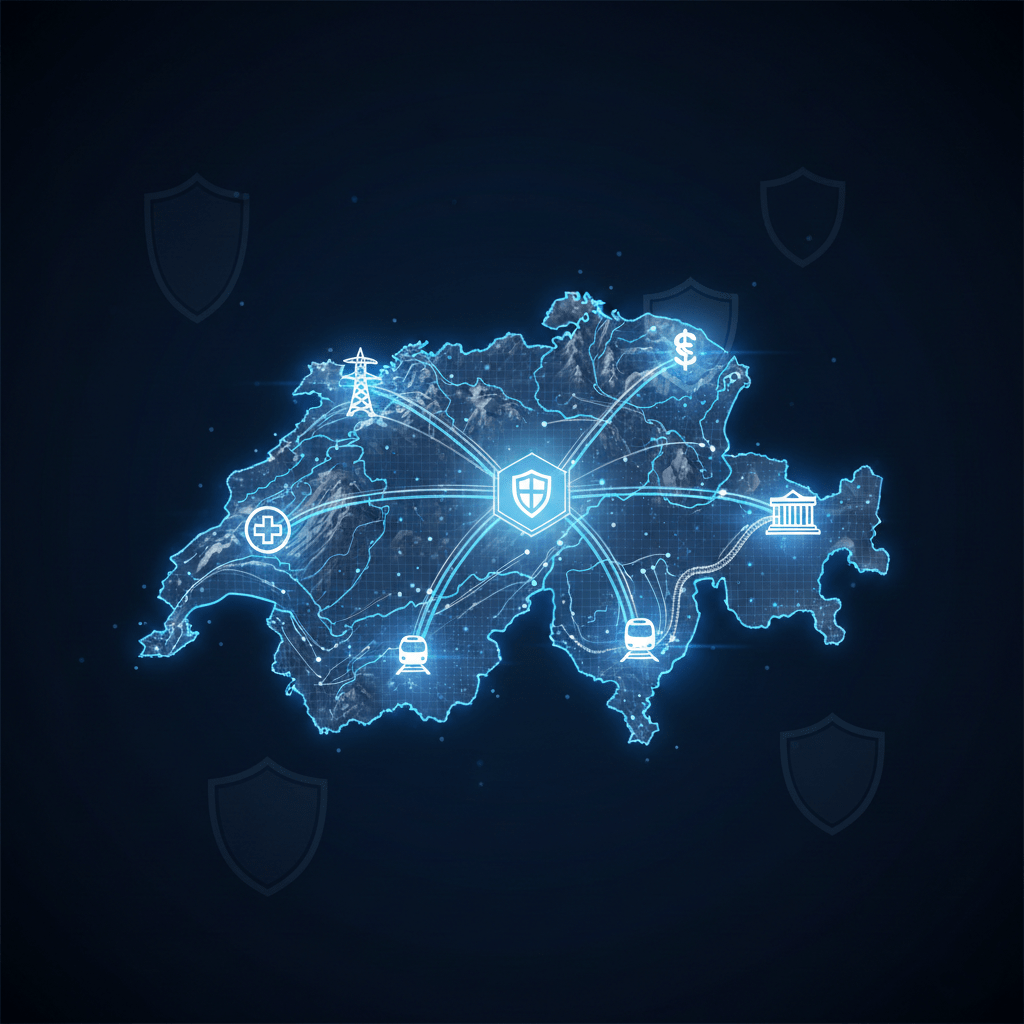
Mandatory Signals: Switzerland’s Cyber Reporting Regime and the Case for a Global Model
Switzerland implemented mandatory cyberattack reporting for critical infrastructure on April 1, 2025, requiring rapid incident notification to enhance national cybersecurity resilience. The system emphasizes confidentiality, timely reporting, and operational thresholds. While promoting early warning and situational awareness, challenges remain in classification and processing capacity. Switzerland’s model offers valuable insights for other nations.
-
The New Equilibrium: How Trump’s Cybersecurity Doctrine Redefines Federal-Private Sector Relations
The 2026 shift in federal cybersecurity oversight, under the Trump administration, emphasizes reduced regulation while maintaining oversight. Executive Order 14306 preserves key security measures but eliminates mandatory vendor standards, reflecting a philosophical preference for market approaches. The administration faces challenges in balancing operational realities against strategic threats, requiring potential course corrections.
-

The Pentagon’s Cyber Workforce Strategy: A Geopolitical Chess Move in the Digital Arms Race
The bipartisan Senate bill led by Senators Peters and Rounds highlights the need for the Pentagon to devise a comprehensive cybersecurity workforce strategy. This initiative, amid significant personnel shortages, emphasizes America’s recognition of the importance of cultivating skilled human capital for cyber warfare, contrasting with adversaries’ state-driven efforts.
-
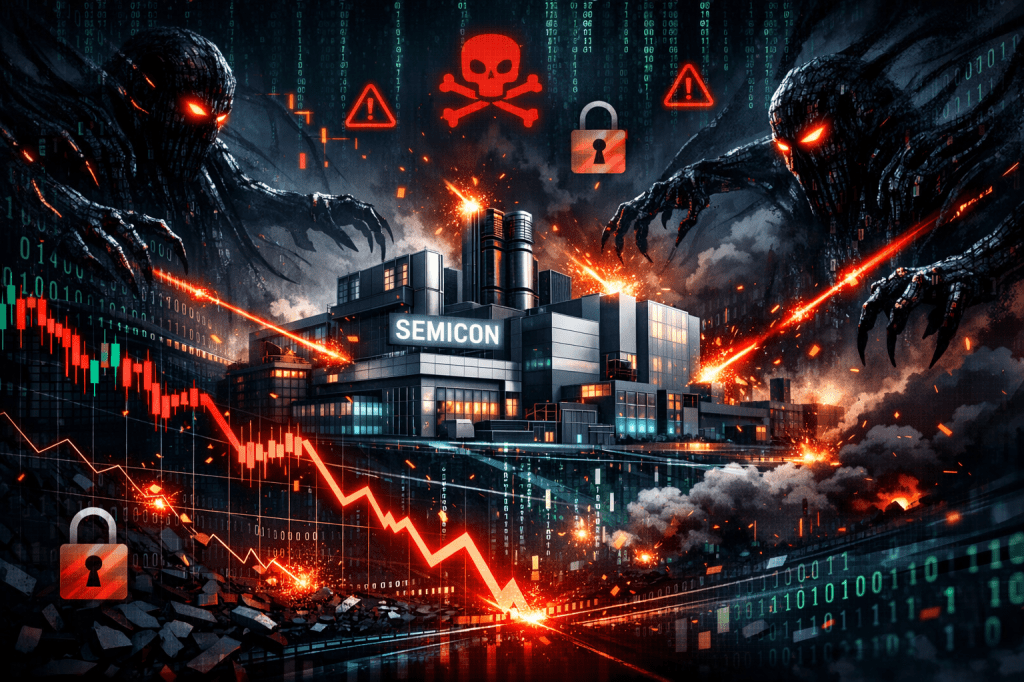
The Algorithmic Front: Cyber-Economic Warfare and the Future of Market Integrity
In November 2025, a European semiconductor firm hypothetically suffers a 14% market drop within minutes due to a sophisticated cyber-attack undermining market integrity. This incident symbolizes a broader shift towards cyber-economic warfare, where attackers exploit vulnerabilities, prompting urgent discussions on regulatory responses and the evolving relationship between security and financial markets in 2026.
-
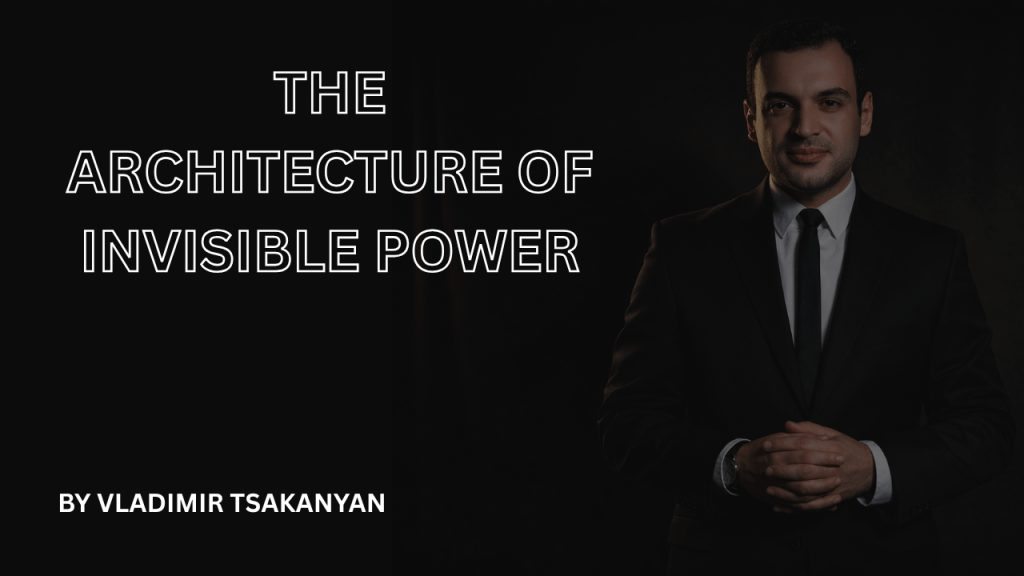
The Architecture of Invisible Power
Vladimir Tsakanyan’s documentary, The Architecture of Invisible Power, examines how modern power operates subtly through technology and systems rather than overt authority. With a minimalist approach, it invites critical reflection on unseen influences, emphasizing intent and governance over simplistic narratives. The film provokes questions that linger beyond its runtime, encouraging deeper awareness.
-

Pax Silica: The New Architecture of Digital Solidarity and the Geopolitics of Compute
Pax Silica, a 21st-century doctrine introduced by the State Department, signifies a shift in global relations, prioritizing AI and supply chain security over traditional efficiency. This initiative fosters collaboration among allied nations to address technological dependencies while ensuring a competitive edge over China. It aims to establish “Digital Solidarity” and enhance international cooperation in technology.
-
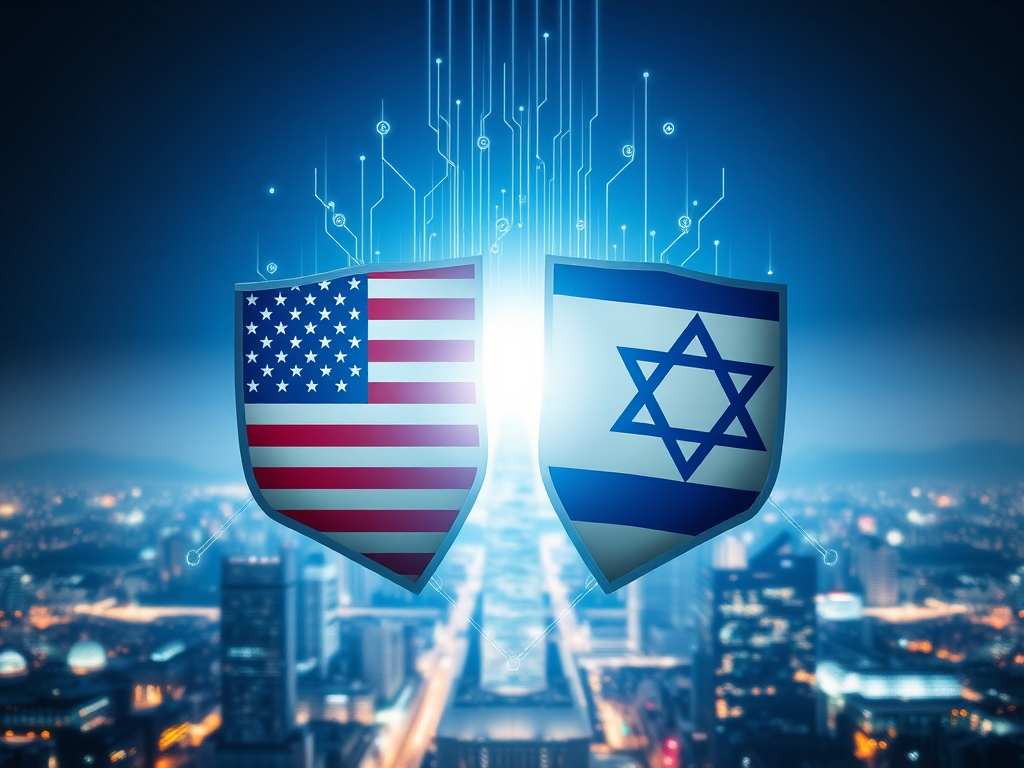
The Silicon Shield: Analyzing the U.S.-Israel Strategic Partnership on AI and the New Geopolitics of Critical Technology
On January 15, 2026, the U.S. and Israel launched a strategic partnership focusing on artificial intelligence and critical technologies, redefining their bilateral relations. This integration aims to enhance security, innovation, and ethical governance amidst rising AI threats. The agreement signifies a transition into a collaborative technological ecosystem for democratic nations.
-

THE SHADOW ARCHITECTURE: DECODING THE SILENT SUBSTRATE OF GLOBAL POWER
The article discusses the evolution of power dynamics in the digital age, highlighting the emergence of “Shadow Architecture.” It examines incidents like Stuxnet and the Volt Typhoon campaign, demonstrating how cyber-kinetic threats target critical infrastructure. The call for better cybersecurity practices emphasizes the need to navigate a fractured digital landscape regulated by powerful tech entities.
