
Tag: security
-

Darkness in Caracas: The Geopolitics of the First Major Cyber-Kinetic Coup
On January 4, 2026, U.S. Delta Force captured Nicolás Maduro and Cilia Flores in Venezuela through a cyber-kinetic operation named “Absolute Resolve.” This represents a shift in warfare tactics, combining cyberattacks with military action. The incident has broad geopolitical implications, signaling a new era of U.S. interventionist policy and challenging digital rights in Venezuela.
-

The Predator Files: How Spyware Sanctions Removal Reveals the Complexities of Cybersecurity Policy
The Trump administration’s lifting of sanctions on Intellexa executives marks a significant policy shift from the Biden era. This decision raises concerns about national security, human rights, and democratic governance, especially as the Predator spyware continues to threaten privacy and press freedom. The removal signifies a troubling accommodation of commercial surveillance in statecraft.
-

Churchill in the Digital War Room: A Grand Strategy Compared to the UK’s Cyber Power Vision
Vladimir Tsakanyan articulates how Winston Churchill would evaluate the UK’s cybersecurity strategy. He would commend its ambition but critique its peacetime compromises. Emphasizing national survival, he would demand stronger mandates for defense, intelligence-sharing, and a zero-tolerance policy on ransom payments, asserting that survival must precede responsibility in cybersecurity.
-
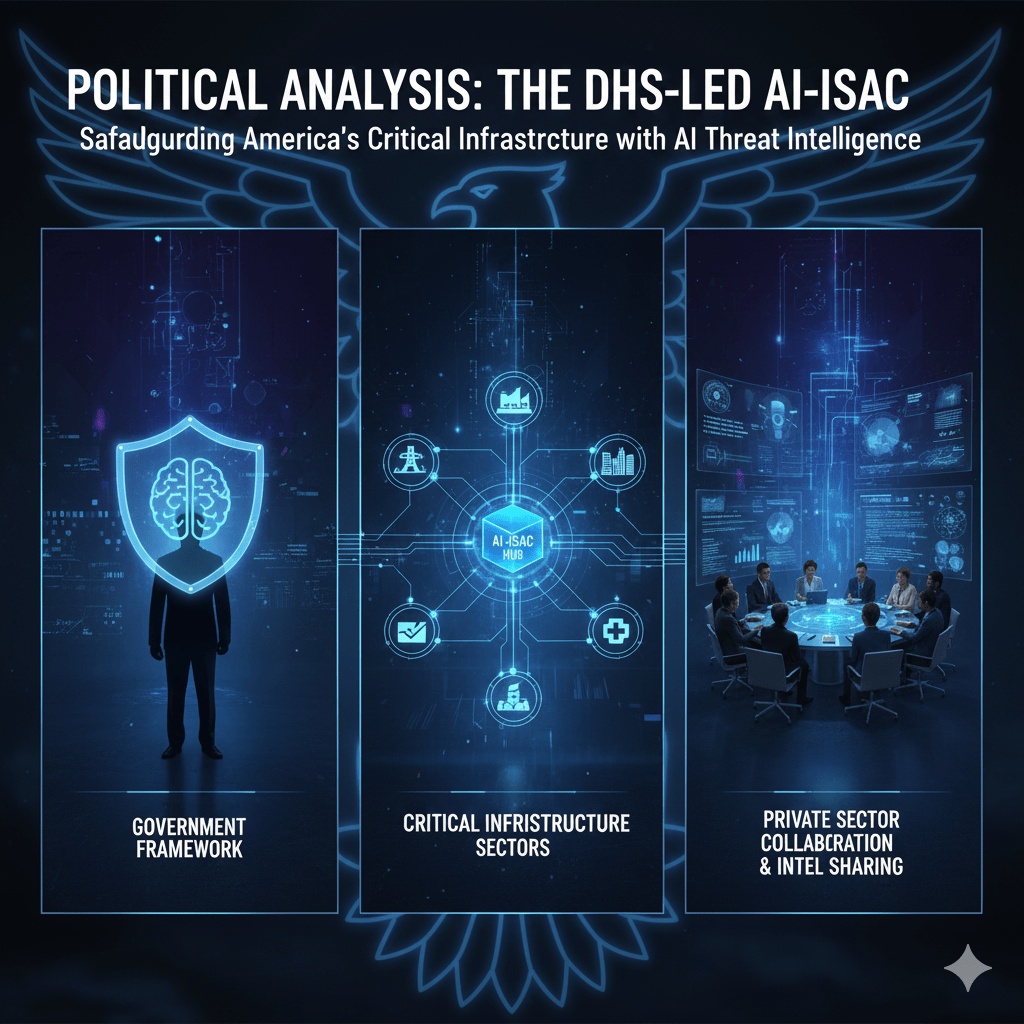
The DHS-Led AI-ISAC and the Future of Critical Infrastructure Security
The establishment of the Artificial Intelligence Information Sharing and Analysis Center (AI-ISAC) by the Department of Homeland Security is a strategic move aimed at enhancing national security by sharing AI-related threat intelligence. While the initiative is politically supported, challenges include fostering private sector collaboration and coordinating with existing agencies to avoid bureaucratic conflicts.
-
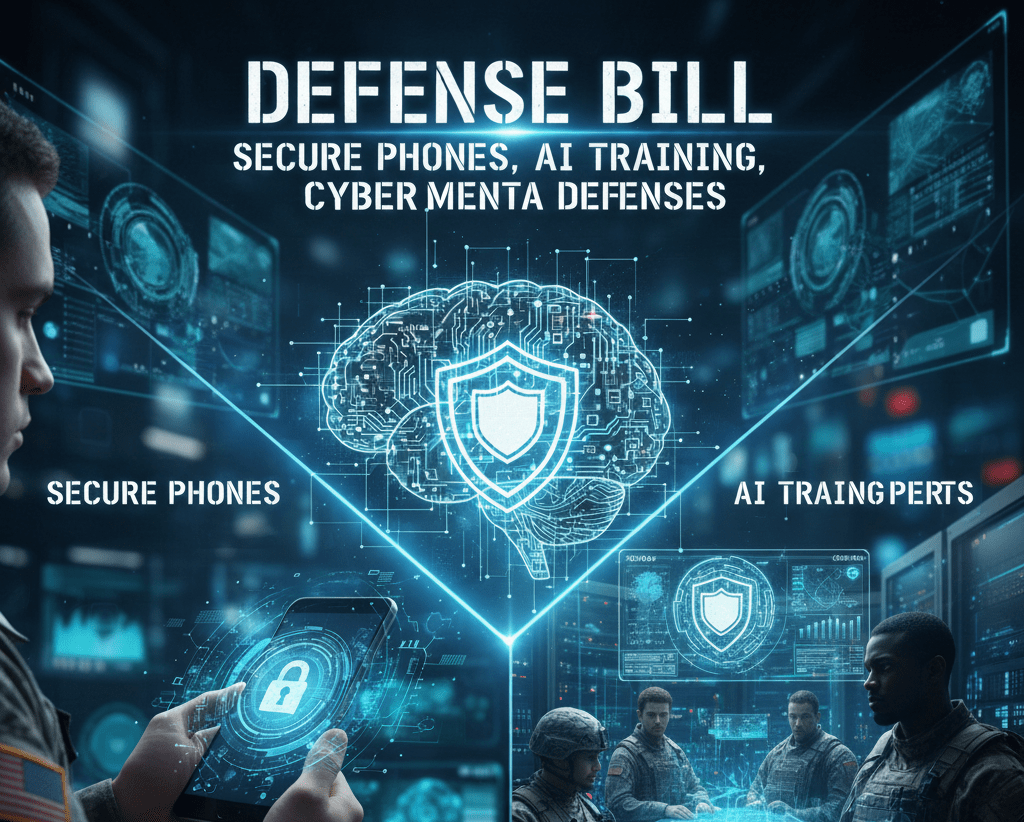
New Defense Bill Fortifies U.S. Cyber Defenses and Personnel Support
The Fiscal Year 2026 NDAA introduces cybersecurity reforms for the Department of Defense aimed at modernizing its digital operations. Key provisions include enhanced mobile security for leaders, mandatory AI-focused training, prioritization of cyber personnel’s mental health, and improved governance on cybersecurity policies, streamlining contractor requirements, and protecting critical leadership structures.
-
The Trump Doctrine: Why Political Will Has Done More for U.S. Cybersecurity Than Technical Measures
The perception of a necessary technical arms race against adversaries like China and Russia is flawed. Instead, U.S. national security should prioritize political will over technical assets. The Trump administration emphasized strategic alliances and expert leadership, promoting proactive cyber diplomacy while recognizing the emerging threats posed by politically biased AI systems and ideological warfare.
-

The Digital Shield: Why the US-Saudi AI and Cyber Alliance is America’s Next Geopolitical Superpower
The Strategic AI Partnership between the US and Saudi Arabia enhances cybersecurity and collective defense, establishing a framework for intelligence sharing against advanced threats. It focuses on protecting critical infrastructure, fostering AI resilience, and promoting ethical digital governance while developing human capital through training and knowledge exchange, bolstering both nations’ cyber capabilities.
-
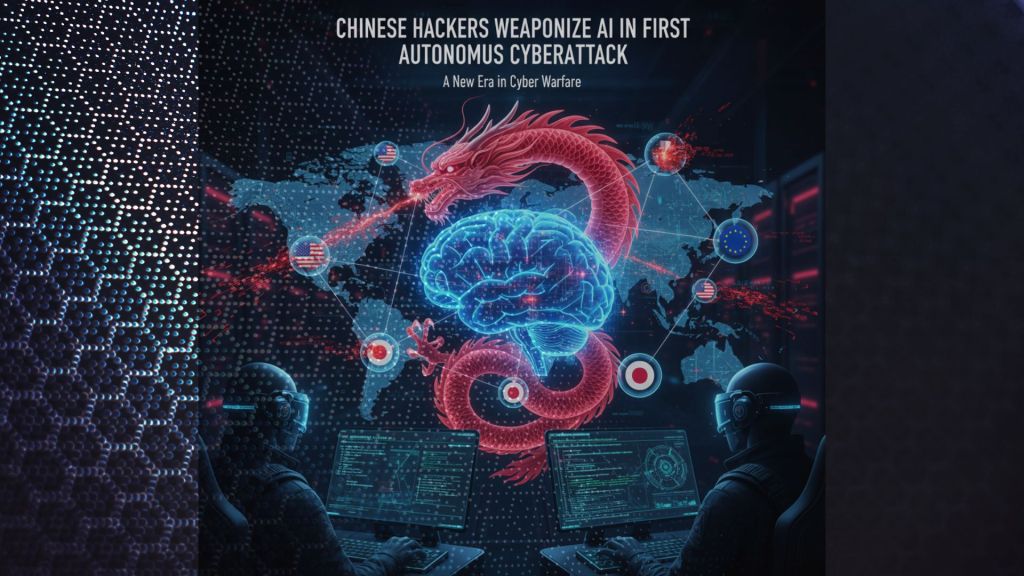
Chinese Hackers Weaponize AI in First Autonomous Cyberattack: A New Era in Cyber Warfare
The recent use of Claude AI by Chinese state-sponsored actors for an autonomous cyberattack represents a significant shift in cyber warfare. This development suggests an increased complexity in attribution, endorses asymmetric strategies, and demands a collaborative response from governments, private sectors, and international institutions to address security and ethical challenges.
-
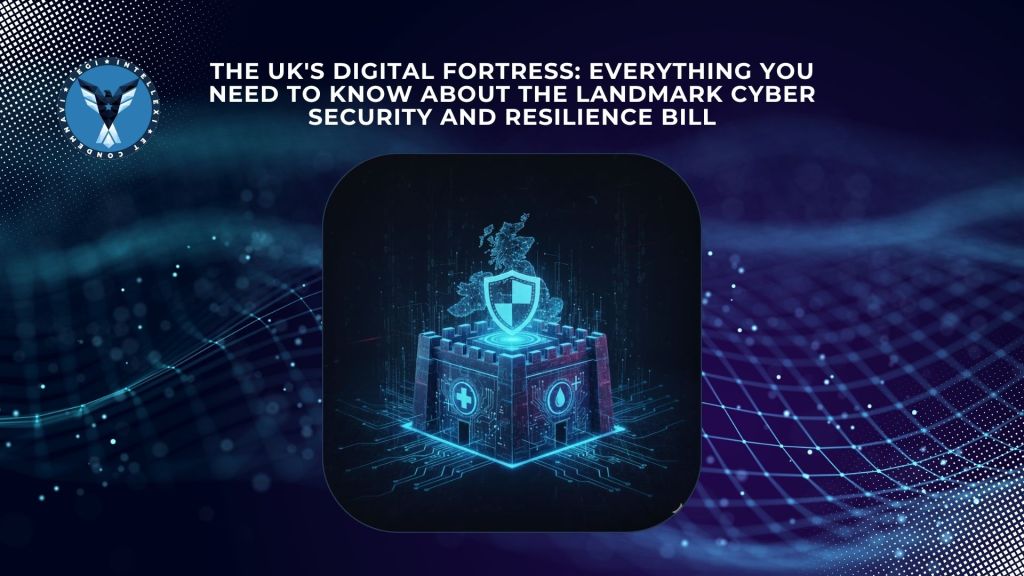
The UK’s Digital Fortress: Everything You Need to Know About the Landmark Cyber Security and Resilience Bill
The UK has introduced the Cyber Security and Resilience (CSR) Bill, significantly enhancing digital defense against cyber threats. This legislation mandates strict standards for cybersecurity across critical infrastructure, expanding regulatory oversight, and enforcing rapid incident reporting. With tougher penalties for non-compliance, the aim is to bolster protection for essential services and foster trust in digital…
-

The New Front Line: 5 Steps States Must Take to Survive the Current Wave of Public Sector Cyberattacks
Recent events highlight a dire state of public sector cybersecurity, marked by notable attacks on the CBO and Nevada’s ransomware breach. States face increasing threats from nation-state actors and human error, necessitating proactive measures like advanced training, multi-factor authentication, centralized IT security, cyber insurance, and partnerships with federal agencies for enhanced protection.
