
Tag: security
-
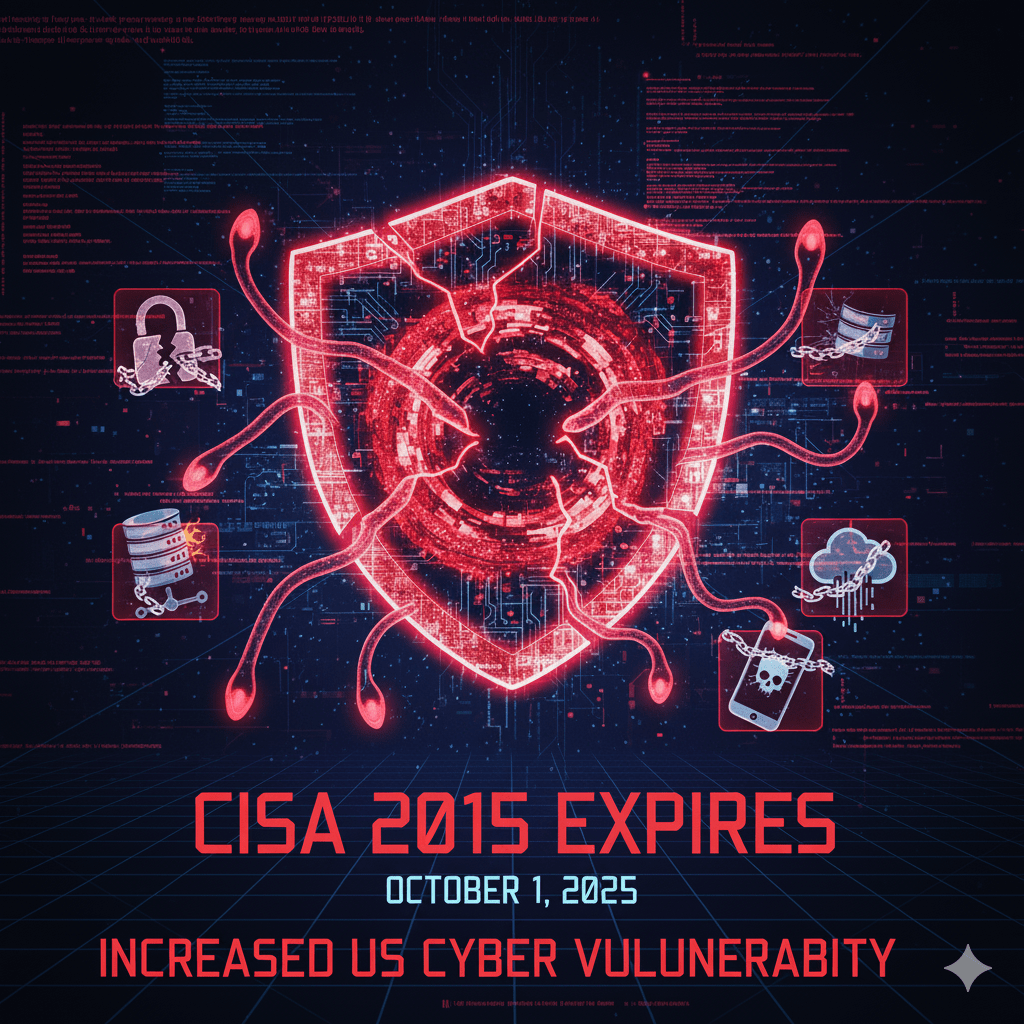
CISA 2015 Expires: The Failure That Increased US Cyber Vulnerability
U.S. digital defense faces significant risks due to legislative stagnation, exemplified by the CISA 2015 expiration and CISA workforce furloughs. This analysis explores how political disputes compromise national cyber resilience, highlighting the need for proactive reforms to restore operational stability and ensure continuous information sharing in digital defense against adversaries.
-

The Imperative of Cyber Coalitions: Why Major Powers Cannot Afford Strategic Complacency
The article discusses how collective defense among smaller nations is changing the cybersecurity landscape. It emphasizes that coordinated actions enable these nations to surpass the technological advantages of major powers, particularly evident through NATO’s evolution post-Estonia’s cyberattacks. Failure to engage in coalition-building risks diminishing major powers’ strategic flexibility and preparedness in cyberspace.
-

The September 2025 Cisco Zero-Day Crisis: State-Sponsored Espionage Targets Federal Networks
The September 25, 2025, CISA directive highlights a significant cyberattack by Chinese state-sponsored hackers exploiting Cisco vulnerabilities. This incident reveals critical federal cybersecurity weaknesses, spurring urgent policy reforms, improved incident responses, and intensified international cooperation. The attack underscores the need for enhanced resilience against increasingly sophisticated state-sponsored cyber operations.
-
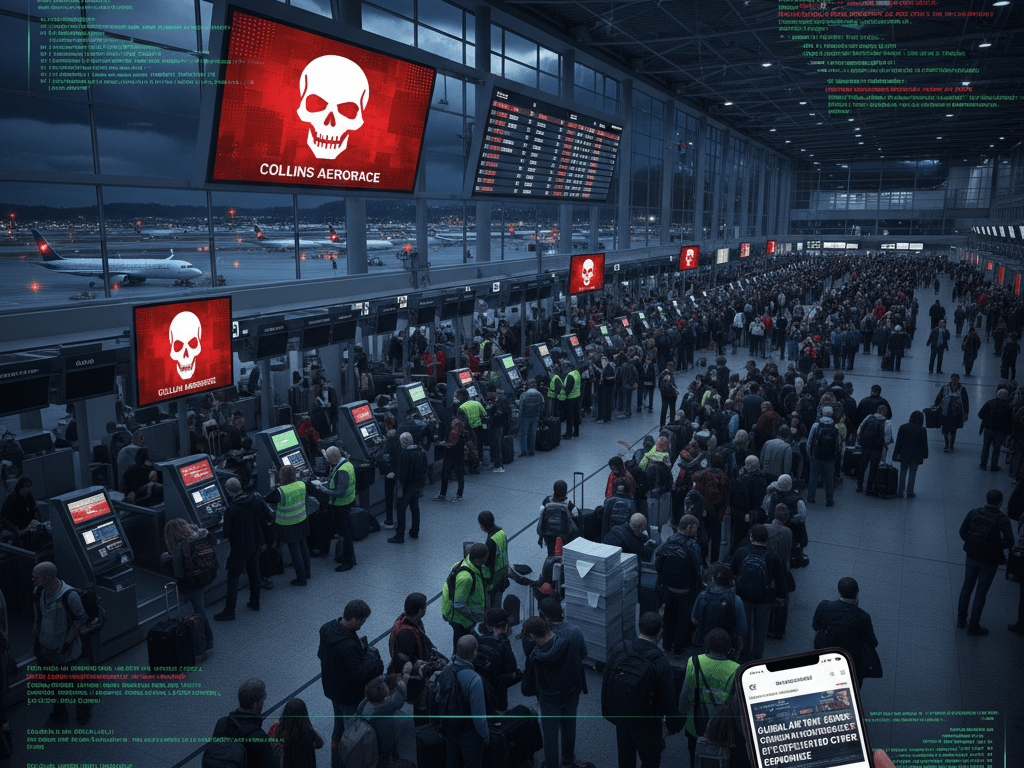
Major European Airports Paralyzed as Collins Aerospace Falls Victim to Cyberattack
A sophisticated cyberattack on Collins Aerospace caused major flight delays and cancellations across Europe, exposing vulnerabilities in aviation cybersecurity and reliance on centralized technology providers.
-

Alternative Scenarios for U.S. Cyber Force Development: Beyond the Binary Choice
The analysis explores five organizational models for U.S. military cyber forces in response to evolving cyber warfare needs, emphasizing adaptability and effective resource allocation for national security.
-

The Final Frontier: How AI and Cybersecurity Are Reshaping Space Security Over the Next Decade
As space becomes increasingly vital and interconnected, the convergence of AI and cybersecurity is reshaping the landscape. The 2022 Viasat cyberattack exemplifies this integration, emphasizing the need for robust defenses. Collaboration among governments and private sectors, alongside standardized policies, is essential to protect space assets against evolving AI-driven threats, ensuring resilience in the future.
-

The Contested Digital Frontier: A Research Article on the Cyber-Political Landscape of Developing Countries
Vladimir Tsakanyan Abstract The digital revolution presents a profound and often contradictory force in the political development of the Global South. This report analyzes the multifaceted cyber-political landscape, arguing that digital technologies function as a double-edged sword, simultaneously offering unprecedented opportunities for democratic advancement and new, sophisticated tools for authoritarian control. Moving beyond a simple…
-

Collective Resilience: How Small Nations Can Combine Efforts to Face Future Global Cybersecurity Challenges
The report details the complex cybersecurity challenges faced by small nations amid rapid digital transformation, emphasizing the disproportionate risks due to limited resources. It advocates for collective international cooperation to enhance cyber resilience, leveraging shared intelligence, adapting strategies, and prioritizing workforce development to counter sophisticated threats effectively.
-

Cyber Warfare in 2025: Executive Report
In 2025, cyberspace emerges as a central warfighting domain, integrating with traditional forces across state doctrines of the U.S., NATO, China, Russia, and the U.K. Non-state actors are also gaining influence through AI innovation. Effective cyber warfare requires resilient defenses, advanced offensive capabilities, and adaptable international regulations.
-

Small Tech Attacks, Big Politics
The analysis highlights the growing threat of small-scale cyberattacks on U.S. technology, which collectively pose significant risks to national security and political stability. These seemingly minor incidents can erode trust, disrupt economies, and complicate responses due to their low visibility. Proactive government-private sector collaboration is essential to address these escalating threats effectively.
