
Tag: security
-

Iran’s Cyber Offensive: Assessing Capabilities, Probable Targets, and U.S. Defense Posture Amid Escalating Tensions
The Middle East’s geopolitical tensions have escalated between Israel and Iran, with U.S. involvement amplifying the risk of cyber warfare. Iran’s structured cyber strategy, leveraging state and private actors, prioritizes psychological manipulation alongside technical attacks. This environment necessitates robust U.S. and Israeli defenses to counteract potential threats against critical infrastructure and public trust.
-

Cyber Diplomacy for Small Nations: A Strategic Guide
Cyber diplomacy is crucial for small nations to assert sovereignty and protect interests in an interconnected world. By engaging in cyber diplomacy, these states can enhance resilience, build alliances, influence international norms, and advocate for cybersecurity. Establishing clear strategies and fostering regional cooperation will strengthen their position in cyberspace.
-

Chinese Cyber Operations and the U.S. Policy Response to the Cityworks Attack
The exploitation of a zero-day vulnerability in Trimble’s Cityworks software by Chinese state-sponsored actors highlights critical cybersecurity risks and their geopolitical implications. This breach urges a reassessment of U.S. national security strategies and indicates a need for regulatory reforms to enhance local government cybersecurity frameworks and foster public-private collaborations.
-

Cybersecurity and Electoral Integrity: The Polish Presidential Election Under Siege
As Poland nears its presidential election on May 18, 2025, it faces serious cybersecurity threats from Russian actors targeting political party websites and spreading disinformation. These incidents highlight the need for enhanced cyber diplomacy and international cooperation to protect democratic processes and ensure electoral integrity amid growing cyber interference.
-

Cybersecurity Debate: CISA Funding Cuts and National Security
Recent congressional hearings raised concerns about proposed budget cuts of $491 million to the Cybersecurity and Infrastructure Security Agency (CISA) by the Trump administration. Lawmakers from both parties expressed skepticism over the cuts, emphasizing the need for a robust cybersecurity strategy amid threats from nation-states like China, while defending CISA’s vital roles.
-

Next NSA: Political Leader, Cyber Expert
Abstract As of May 5, 2025, President Trump has replaced Michael Waltz as National Security Advisor—nominating him as U.S. Ambassador to the United Nations—and installed Secretary of State Marco Rubio as acting NSA. This high‑level personnel shift underscores the administration’s need for an NSA who is first a seasoned political strategist in national security and also deeply fluent…
-
Unveiling the Truth Behind Europe’s Massive Power Outage: Was It a Coordinated Cyberattack?
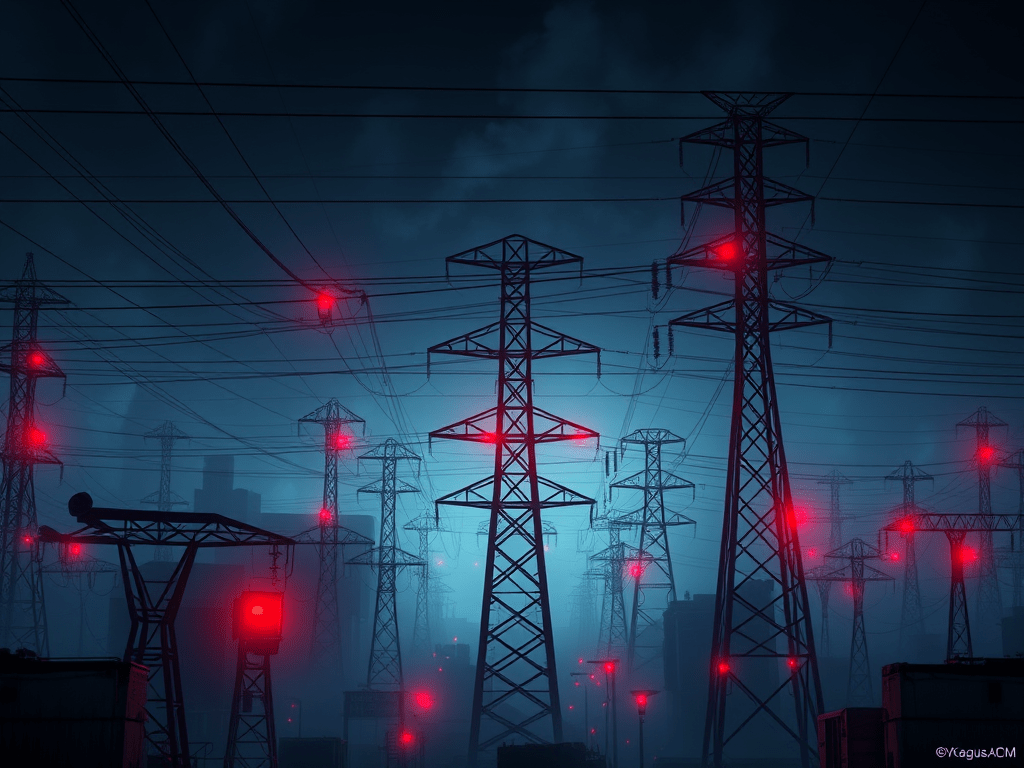
Introduction In late April 2025, a sudden and massive outage struck power grids across Spain, Portugal, and the south of France, destabilizing everyday life for millions. Given the complexity of European energy networks, and the way the failure cascaded almost simultaneously across borders, the pressing question emerges: Was this simply a technical fault, or the…
-

Navigating the Digital Frontier: The Evolving Landscape of Cybersecurity Politics and Diplomacy
Vladimir Tsakanyan Abstract Cyberspace has irrevocably transitioned from a purely technical domain to a primary arena for geopolitical competition, economic statecraft, and international relations. The future of cybersecurity is increasingly shaped by complex interactions between rapidly evolving technologies, shifting geopolitical alignments, and emerging regulatory frameworks. This article analyzes the current state and future trajectory of…
-

The Hidden Costs of Rapid Cybersecurity Expansion: A Strategic Analysis
Vladimir Tsakanyan Introduction The recent decision by the Pentagon to cancel a $5.7 billion cloud contract with Microsoft, as reported by Yahoo News, has significant implications for the U.S. cybersecurity landscape. This move not only affects the immediate stakeholders but also has broader consequences for national security, particularly in the context of the ongoing cybersecurity…
-

Viral Vectors: Hacktivism, Memes, and the Shifting Landscape of US Electoral Influence
Abstract: The American political landscape since 2016 has been significantly shaped by the convergence of hacktivism and the proliferation of politically charged internet memes. This article examines how these digital phenomena have influenced US election cycles and their aftermaths, starting with Donald Trump’s first presidential campaign up to the present day (April 2025). It analyzes…
