
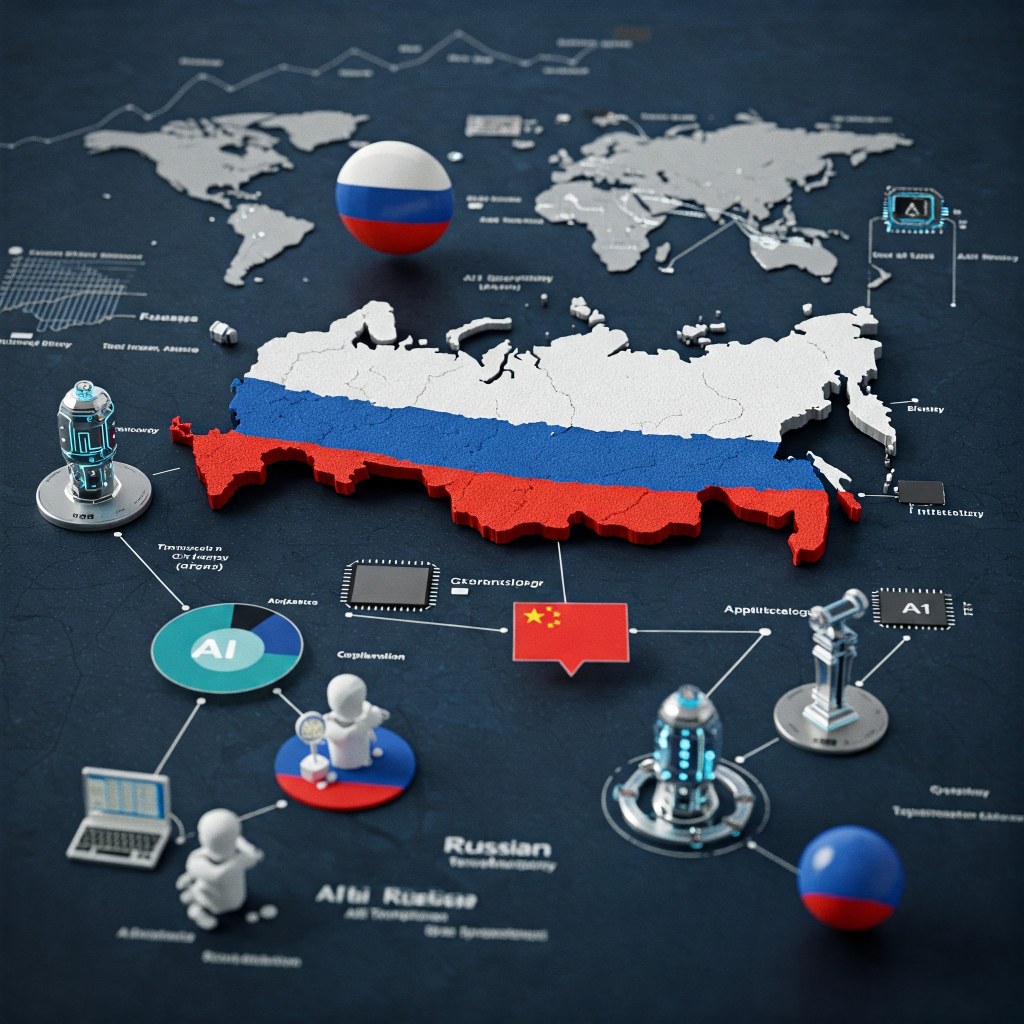
In the rapidly changing world of cybersecurity, Russia stands out as a key player. Its cybersecurity policies are shaped by a mix of national security concerns, governance needs, and technological advancements. For policymakers and researchers, understanding these policies is crucial. As technology continues to evolve, so will the landscape of international relations and security measures in the digital age.
The Foundation of Cybersecurity Policy
Russia’s cybersecurity policy is influenced by historical events, geopolitical dynamics, and technological progress. It is regarded as a top priority for national security and sovereignty. The doctrine calls for the protection of information resources, infrastructure, and citizens from cyber threats that could emerge from within or outside the country.
This security-driven approach is outlined in key documents like the Information Security Doctrine and the National Security Strategy. For instance, the National Security Strategy highlights that cyber threats have increased by 20% over the last five years, emphasizing the need for a robust cyber posture.
Legal Frameworks and Regulations
The backbone of Russia’s cybersecurity policy is its intricate legal structure. Key legislation includes the Federal Law on Information, Information Technologies, and Information Protection, which sets the legal guidelines for securing information systems. This law not only defines the responsibilities of various entities but also establishes penalties for non-compliance.
Additionally, Russia regularly updates its legal frameworks to enhance cybersecurity. The establishment of the Federal Service for Technical and Export Control (FSTEC), along with agencies like the FSB (Federal Security Service), showcases Russia’s multi-layered approach to governance. These bodies oversee critical information infrastructure (CII) and ensure cybersecurity protocols are followed. For example, in 2022 alone, the FSTEC reported over 7,000 incidents related to information security.
The Role of State and Private Sector Collaboration
A key aspect of Russia’s cybersecurity policy is the collaboration between the state and the private sector. Policymakers recognize that cybersecurity requires collective action beyond just governmental efforts.
The government actively promotes Public-Private Partnerships (PPP) to enhance cybersecurity resilience. Initiatives like the Russian National Cybersecurity Initiative aim to increase awareness and foster a security culture among industries and citizens. For instance, Russia encourages companies to share threat intelligence, leading to a 30% increase in reported cybersecurity incidents from 2021 to 2022, highlighting a more engaged private sector.
International Collaboration and Relations
In the interconnected world of cybersecurity, international relations play a crucial role. Russia’s approach is characterized by a balance between safeguarding its digital sovereignty and collaborating with other countries to tackle shared cyber threats.
Russia engages in several international forums focused on cybersecurity. It strives to position itself as a leader, advocating for collaborative frameworks. Nonetheless, geopolitical tensions often complicate these interactions. The 2018 International Cybersecurity Conference, which brought together officials from over 40 countries, underscored these challenges.
Key Cybersecurity Priorities
Russia’s cybersecurity policy outlines several essential priorities that guide its strategy:
- Protecting Critical Information Infrastructure (CII): Recognized as vital to national security, Russia has invested $2 billion in enhancing the resilience of CII against cyberattacks.
- Countering Cyber Threats: The policy aims to foster capabilities to detect and respond to threats efficiently, responding to an increase in attacks that surged by 40% in the past two years.
- Promoting Cybersecurity Education and Awareness: Russia has introduced programs in schools and universities to boost the cybersecurity talent pool. Recent statistics show a 25% increase in cybersecurity graduates since 2020.
- Regulating Cyber Activities: The Russian government continues to implement measures to ensure compliance and standardization across all sectors, contributing to a more secure digital environment.
Challenges and Criticisms
Despite its proactive measures, Russia’s cybersecurity policy encounters significant challenges and criticism. The concentration of authority in a few specialized agencies has raised concerns about transparency. Indications of state-sponsored cyber activities can hinder international partnerships.
Critics argue that an emphasis on internal security and censorship threatens civil liberties. This focus can detract from creating an innovative digital ecosystem that encourages collaboration. For example, reports suggest that 50% of tech startups feel constrained by government regulations.
The Future of Cybersecurity Policy in Russia
As technology evolves, so do the challenges facing Russia’s cybersecurity policy. The future will depend on how well the country can adapt while balancing national security with international cooperation.
Policymakers must ensure that cybersecurity strategies remain effective, continually assessing emerging threats and aligning their objectives with global best practices. Engaging in constructive dialogues with other nations while fostering collaboration in the private sector will be critical for a comprehensive approach to cybersecurity.
The Path Forward
Russia’s cybersecurity policy is a dynamic framework integrating legal structures, collaborations with private sectors, and international relationships. As the digital landscape grows, Russia must navigate significant opportunities and challenges. For effective governance, a deeper understanding of this intricate web will be essential in responding to global cybersecurity threats and safeguarding national interests. The implications of cybersecurity will only intensify, making continuous analysis and engagement vital for the future.
VLADIMIR TSAKANYAN
