
Tag: russia
-

NATO’s Ankara Summit and the Institutionalization of Cyber Defense Spending
NATO’s Ankara summit marked a shift in cyber resilience from voluntary pledges to a budget-linked category within defense spending. This structural change aims to stabilize financial commitments while highlighting concerns of accountability and vendor reliance. The future necessity for monitoring capability gaps and infrastructure dependency remains critical as NATO’s digital transformation progresses.
-

Packets Across the Border: The AzerTelecom-Telecom Armenia Agreement and the Quiet Diplomacy of Digital Infrastructure
On June 22, 2026, AzerTelecom and Telecom Armenia signed a significant agreement to route international internet traffic through Azerbaijani territory, marking a shift after decades of disconnection. This technical decision, while commercially logical, symbolizes deeper political complexities, reflecting the unresolved humanitarian and territorial conflicts between Armenia and Azerbaijan.
-

Minerals Are the New Code: Norway, Pax Silica, and the Alliance Being Built Around the AI Supply Chain
On May 6, 2026, Norway joined the Pax Silica initiative, marking a significant diplomatic move in reshaping global AI supply chains. This non-binding declaration aims to establish a stable technology order under U.S. leadership, promoting interdependence among members while reducing reliance on China. Norway’s strategic resources bolster the initiative’s overall resilience.
-

The Fortress Rises: Europe’s 2026 Strategic Pivot
The European Union is undergoing a significant military transformation, transitioning from a “peace dividend” to a “war economy” by 2026. With defense spending targets increasing and initiatives like “Military Schengen,” Europe aims for enhanced readiness and unity in defense. The push is driven by threats from Russia and uncertainties in U.S. support.
-

The Digital Iron Curtain: 5 Surprising Realities of Moscow’s Great Internet Blackout
Moscow is experiencing a technological regression, reminiscent of the 1990s, as state-imposed restrictions decay its digital infrastructure. With skyrocketing demand for analog devices and decreasing economic vitality, the government is testing a “Splinternet,” driven by fears of internal dissent. This situation poses questions about the city’s future amid increasing censorship and surveillance.
-

The New Equilibrium: How Trump’s Cybersecurity Doctrine Redefines Federal-Private Sector Relations
The 2026 shift in federal cybersecurity oversight, under the Trump administration, emphasizes reduced regulation while maintaining oversight. Executive Order 14306 preserves key security measures but eliminates mandatory vendor standards, reflecting a philosophical preference for market approaches. The administration faces challenges in balancing operational realities against strategic threats, requiring potential course corrections.
-
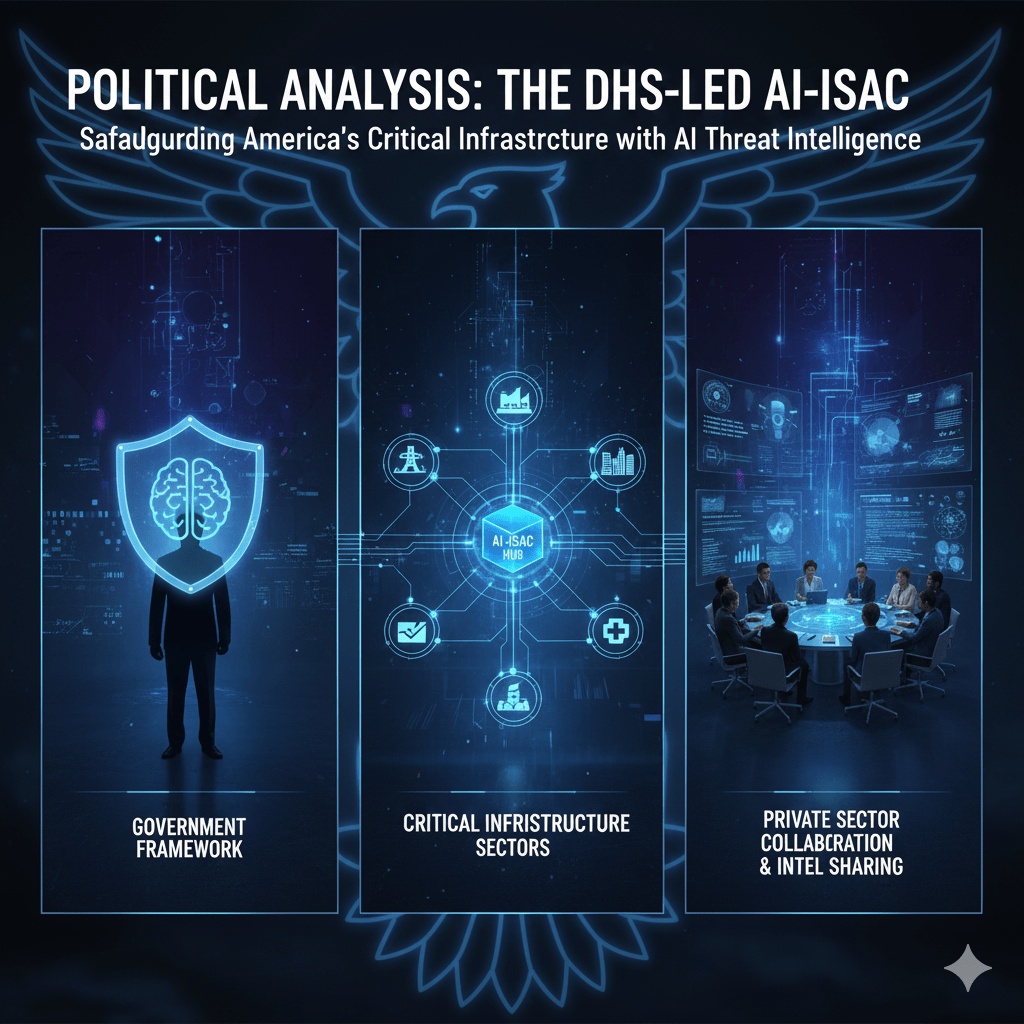
The DHS-Led AI-ISAC and the Future of Critical Infrastructure Security
The establishment of the Artificial Intelligence Information Sharing and Analysis Center (AI-ISAC) by the Department of Homeland Security is a strategic move aimed at enhancing national security by sharing AI-related threat intelligence. While the initiative is politically supported, challenges include fostering private sector collaboration and coordinating with existing agencies to avoid bureaucratic conflicts.
-

New Defense Bill Fortifies U.S. Cyber Defenses and Personnel Support
The Fiscal Year 2026 NDAA introduces cybersecurity reforms for the Department of Defense aimed at modernizing its digital operations. Key provisions include enhanced mobile security for leaders, mandatory AI-focused training, prioritization of cyber personnel’s mental health, and improved governance on cybersecurity policies, streamlining contractor requirements, and protecting critical leadership structures.
-

Cybersecurity Takes Center Stage in Global Diplomacy
By Vladimir Tsakanyan. Cybersecurity has evolved from a technical issue to a vital aspect of international relations, driven by increasing cyberattacks that threaten national security. It now intersects with trade, defense, and human rights. Effective cyber diplomacy involves multi-stakeholder engagement and accountability mechanisms, emphasizing the need for cooperation and stability in the digital age.
-

Russia’s Escalating Digital Iron Curtain: New Data Laws and Their Geopolitical Fallout
On May 30, 2025, significant amendments to Russia’s Federal Law on Personal Data will enforce stringent data localization, new reporting requirements, and substantial penalties for breaches. This legislative shift aims to consolidate state control over internet data and enhance national cybersecurity, impacting businesses and increasing compliance costs while straining international relations.
