
Category: Vladimir Tsakanyan
-

Cybersecurity Preparedness for the 2026 FIFA World Cup: A Threat Landscape Assessment
The FIFA World Cup 2026, commencing on June 11, will be the largest sporting event ever, with heightened cybersecurity threats. Analysis shows a diverse threat landscape from criminals, state actors, and hacktivists, compounded by the reduced capacity of U.S. cybersecurity agencies, raising concerns about potential attack effectiveness during the tournament.
-
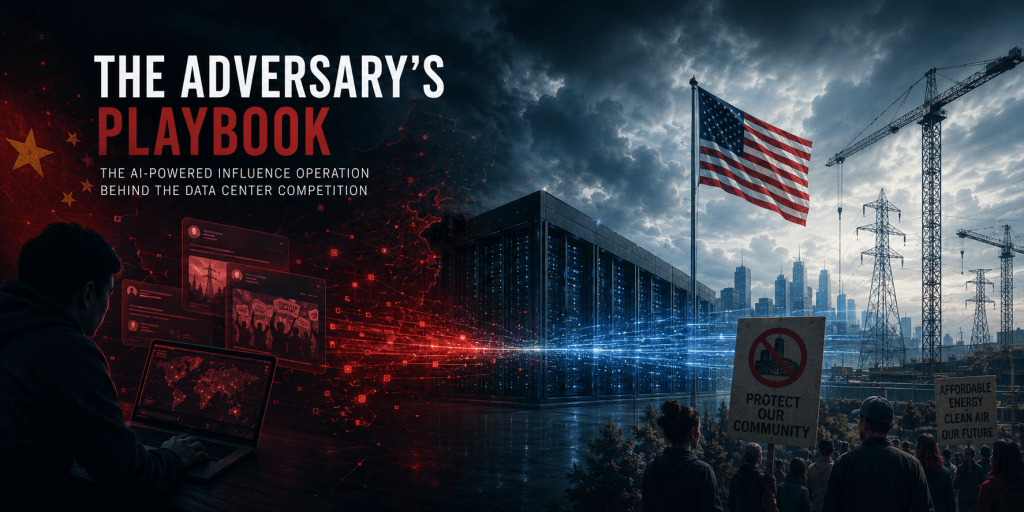
The Adversary’s Playbook: What China’s AI-Powered Influence Operation Reveals About the Data Center Competition
On June 10, 2026, OpenAI’s report revealed two China-linked campaigns that utilized ChatGPT to influence U.S. debates on AI infrastructure and trade policy. Although these operations lacked significant impact, they underscored a strategic approach, aiming to exploit domestic political opposition to hinder U.S. AI development. The events illustrate the complexities of foreign influence utilizing commercial…
-

The Architecture of Intent: A Policy Analysis of the Great American Artificial Intelligence Act
On June 4, 2026, bipartisan House lawmakers unveiled the Great American Artificial Intelligence Act, a comprehensive federal framework for AI governance in the U.S. It mandates oversight, cybersecurity measures, and workforce protections while generating controversy over the preemption of state AI laws. The act reflects a critical moment in AI regulatory discourse.
-

Toward a Dedicated Cyber Service: The Strategic Case for America’s Next Military Institution
The Commission on US Cyber Force Generation published its findings on June 1, 2026, emphasizing the need for a dedicated Cyber Force to enhance military capability in a rapidly evolving threat landscape. This initiative aims to foster a professional culture, streamline talent acquisition, and develop robust cyber warfare doctrine to address future security challenges effectively.
-

Space, Cyber, and the New Strategic Triangle: Protecting Satellites in an Era of Hybrid Threats
As of 2023, there are nearly 15,000 satellites in orbit, with increasing commercial involvement in NATO’s satellite communications. Cyberattacks, notably against commercial operators, blur the lines between military and civilian assets, exposing vulnerabilities. The governance frameworks lag behind, necessitating integrated security measures for defense against advanced persistent threats.
-

California Moves First: The Political Architecture of Newsom’s AI Workforce Order
On May 21, 2026, California’s Governor Newsom signed an AI executive order to address workforce impacts, contrasting with President Trump’s cancellation of a federal order. This divergence highlights a political divide between state and federal approaches to AI governance, with California prioritizing worker protection amid ongoing technological transformation and economic disruption.
-
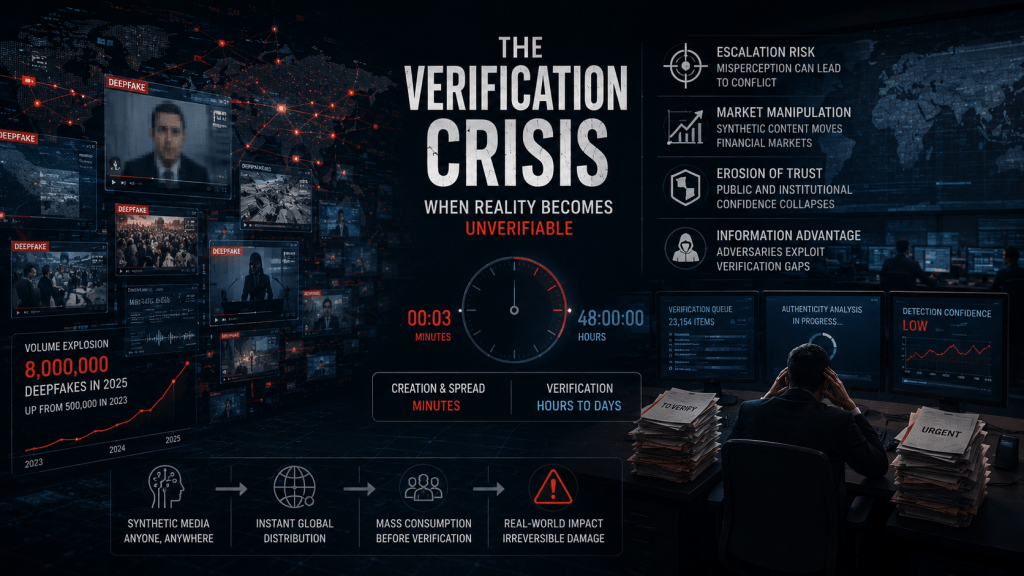
The Verification Crisis: Synthetic Media and the Collapse of Authentication in International Affairs
The rise of synthetic media, particularly deepfakes, has eroded the reliability of international communication, challenging the verification processes that underpin diplomacy and crisis management. With millions of fabricated content pieces circulating rapidly, existing detection technologies lag behind, highlighting a critical governance gap that must be addressed to ensure authenticity in global communications.
-

When the Watchdog Leaks: The CISA Credential Exposure and the Institutional Crisis It Reveals
For six months, sensitive US government credentials were exposed in a public repository, raising significant cybersecurity concerns. The incident highlights deficiencies in CISA’s governance and oversight, exacerbated by staff reductions and leadership changes. Lawmakers demand accountability, emphasizing the need for stronger security measures and improved contractor management to prevent future breaches.
-
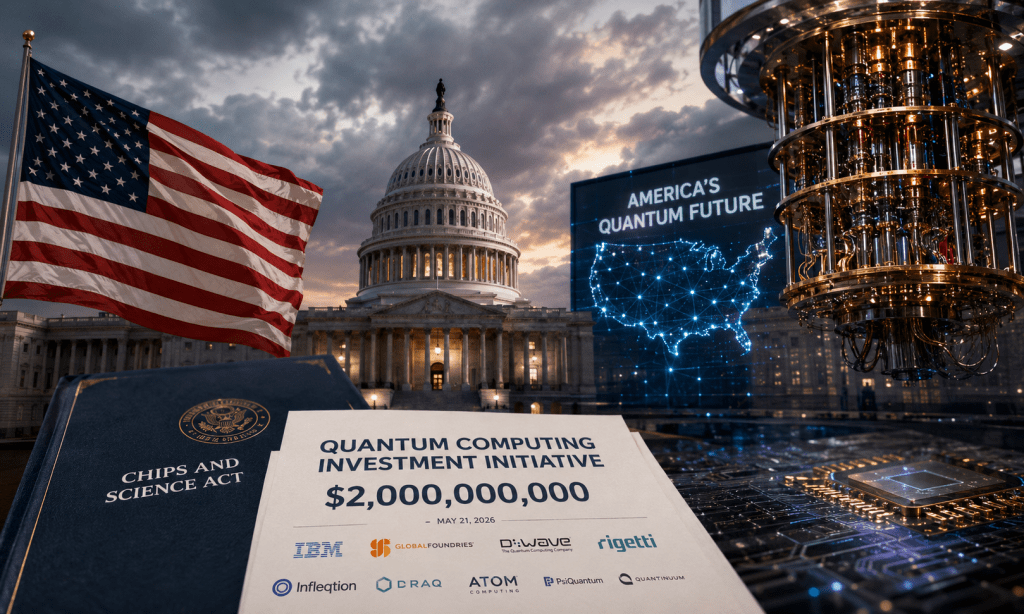
The Quantum Inflection Point: Industrial Policy, Equity Stakes, and the Cybersecurity Implications of America’s $2 Billion Bet
On May 21, 2026, the Trump administration announced a $2 billion investment in nine quantum-computing firms, acquiring equity stakes. This investment aims to enhance U.S. technological competitiveness against China while raising concerns over national security and the cybersecurity implications of quantum advancements, particularly the potential to break existing encryption systems.
-
The Governance Deficit: Frontier AI, Competitive Logic, and the Limits of Voluntary Oversight
On May 21, 2026, the White House abruptly canceled a signing ceremony for an executive order on artificial intelligence and cybersecurity, citing concerns that governance would hinder U.S. competition against China. This reflects internal tensions within U.S. AI policy, prioritizing technological leadership over security measures in managing AI’s cyber risks.
