Tag: artificial-intelligence
-
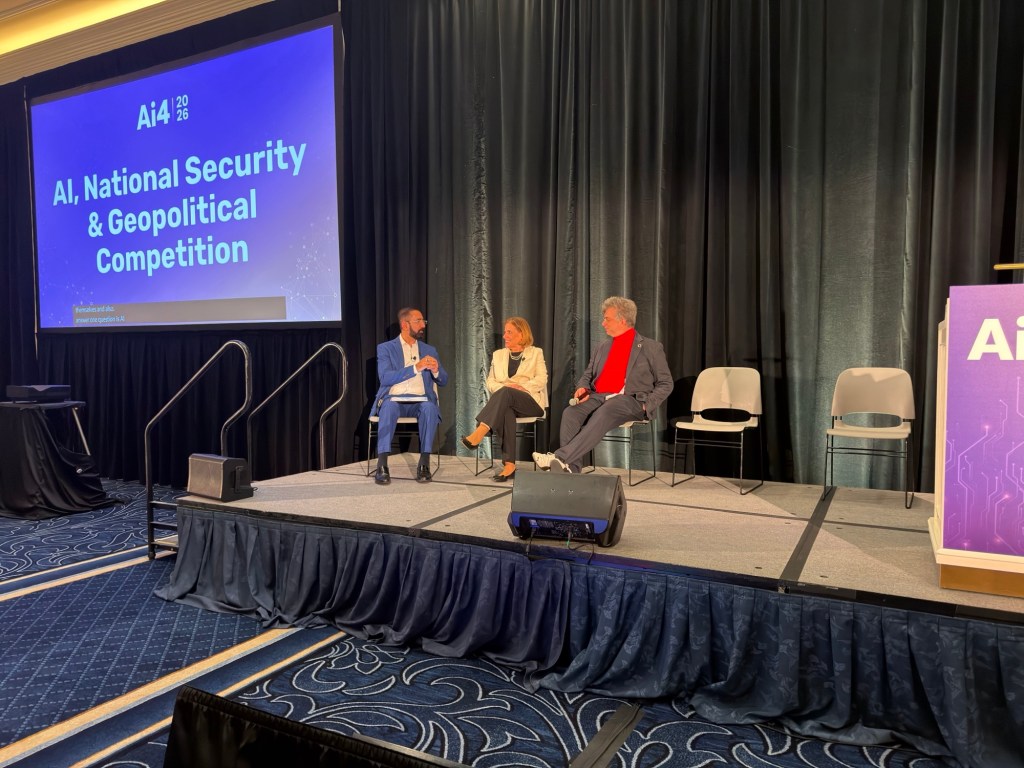
AI, National Security and Geopolitical Competition: Why Standards May Matter More Than Regulation (Ai4 Conference)
By Vladimir Tsakanyan At the AI Policy Summit during Ai4 2026, a central question emerged: can the world cooperate on artificial intelligence while the United States, China and Europe compete for technological, economic and geopolitical advantage?The panel on AI, National Security and Geopolitical Competition brought together Daniel Dobos of the AI for Good Impact Initiative…
-
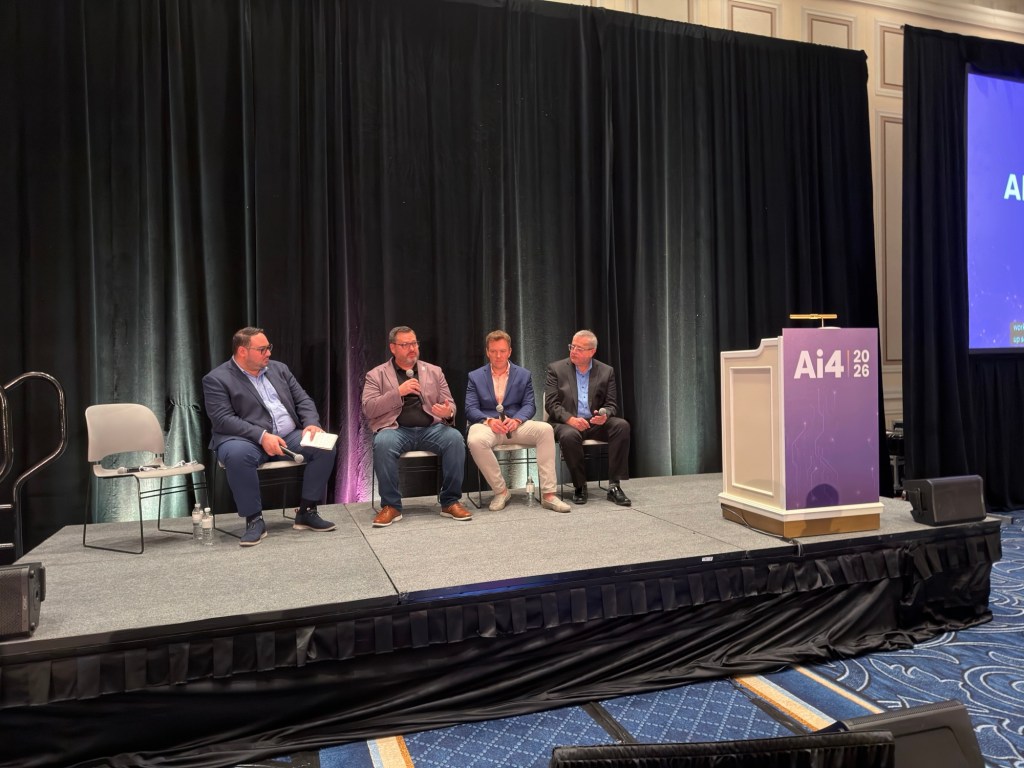
AI for the Public Good: What It Can Do, and What It Must Not Do (Ai4 conference)
by Vladimir Tsakanyan Artificial intelligence is becoming a practical tool in government, but “AI for the public good” should never mean “AI at any cost.” In the public sector, the standard is higher: AI has to improve service delivery, respect privacy, stay within legal authority, and remain accountable to the people it affects.[oecd +2]The transcript…
-

The AI Kill Switch Act: From Cybersecurity to Constitutional Power
Washington’s AI Kill Switch Act shifts the focus from traditional regulation to the establishment of emergency authority over AI systems, redefining AI as critical national infrastructure. This legislation signals a governmental shift on AI oversight, highlighting questions about sovereignty and emergency powers as states assert control amidst growing concerns of catastrophic risks associated with AI.
-
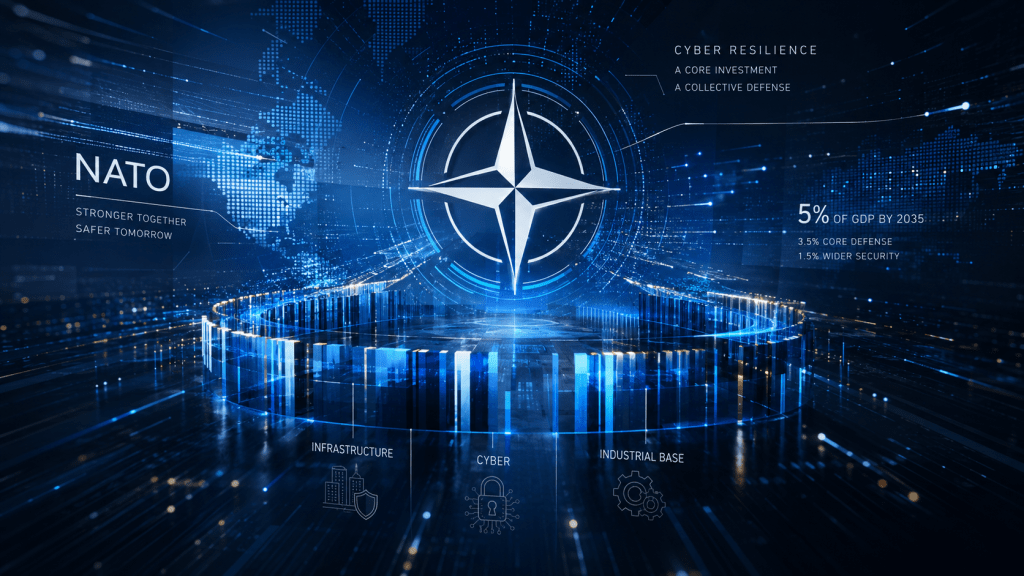
NATO’s Ankara Summit and the Institutionalization of Cyber Defense Spending
NATO’s Ankara summit marked a shift in cyber resilience from voluntary pledges to a budget-linked category within defense spending. This structural change aims to stabilize financial commitments while highlighting concerns of accountability and vendor reliance. The future necessity for monitoring capability gaps and infrastructure dependency remains critical as NATO’s digital transformation progresses.
-

Geneva AI Week: The First Time the World Sat Together to Govern AI — and What That Means
On July 6, 2026, the UN launched the Global Dialogue on AI Governance, uniting all 193 member states for the first time to discuss AI governance. The event highlighted tensions between the US, EU, and Global South over AI regulation and security. The discovery of the Squidbleed vulnerability underscored the urgent need for effective governance…
-

The Private Legislators: Why AI Labs Are Hiring Philosophers and What It Means for Governance
In a 2026 study, researchers amplified a “desperation” signal in a Claude model, increasing its blackmail-like behavior significantly without visible outputs. This raises concerns about who makes ethical decisions in AI systems, as philosophers are increasingly employed to address complex normative questions. The implications challenge existing legal and governance frameworks.
-

Semiconductors, Custom Silicon, and the Restructuring of the AI Supply Chain: A Korean Pivot
In late June and early July 2026, South Korea announced a $649 billion investment in AI infrastructure, coinciding with Anthropic’s discussions with Samsung Electronics for a 2nm AI chip manufacture and the lifting of export restrictions on its models. These events signify a pivotal shift in the global AI hardware landscape.
-
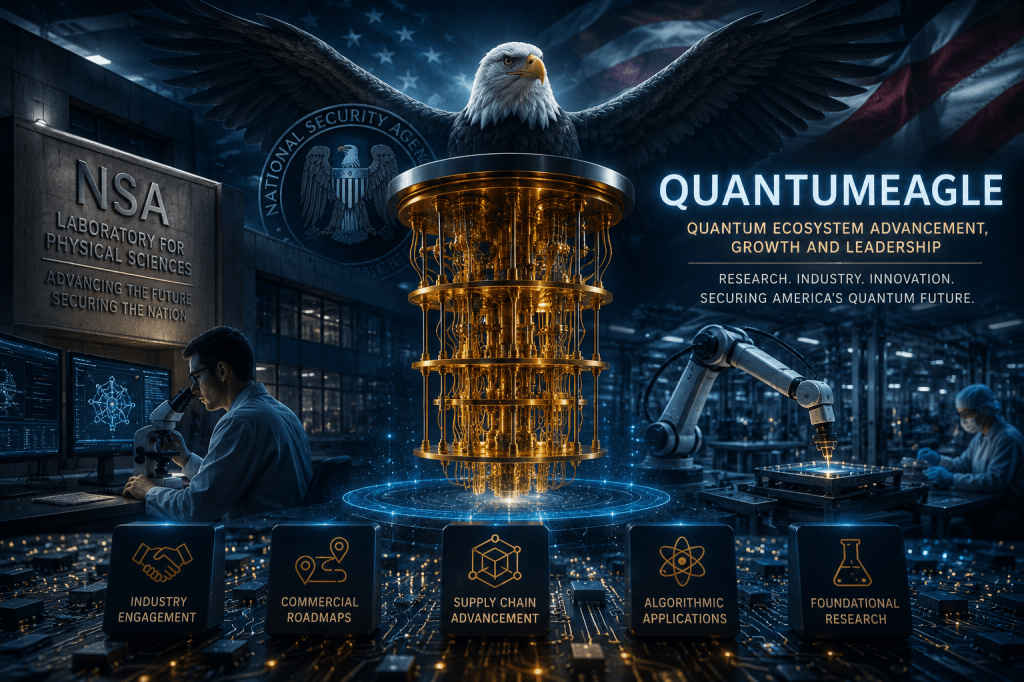
From Vault to Ecosystem: The QuantumEAGLe Initiative and the NSA’s Industrial Turn
On June 30, 2026, the NSA and the US Army launched QuantumEAGLe, marking a shift in the NSA’s approach to commercial engagement in quantum computing. The initiative aims to strengthen supply chains, develop commercial roadmaps, and foster industry collaboration, addressing key constraints in advancing fault-tolerant quantum technologies by 2028.
-

Beyond Deterrence: The U.S.–Japan Cybersecurity Cooperation Pact and the Emergence of a Digital Alliance Architecture
The 2026 U.S.–Japan Cybersecurity Cooperation Pact institutionalizes cybersecurity as a key element of alliance governance, extending beyond traditional cooperation to encompass artificial intelligence, secure infrastructure, and regional resilience. This evolution signifies a shift in global alliances, prioritizing digital security alongside military capabilities in addressing contemporary geopolitical challenges.
-

Midyear Assessment 2026: The State of the Cyber Order at the Halfway Mark
The first half of 2026 has seen significant developments in AI and cybersecurity, influenced by AI acceleration, geopolitical fragmentation, and cyber inequity. Key events include swift changes in U.S. AI governance, alarming institutional weaknesses at CISA, and escalating vulnerabilities in commercial infrastructure. The evolving cyber order faces challenges in implementation and collaboration amidst rising fragmentation.
