
Tag: china
-
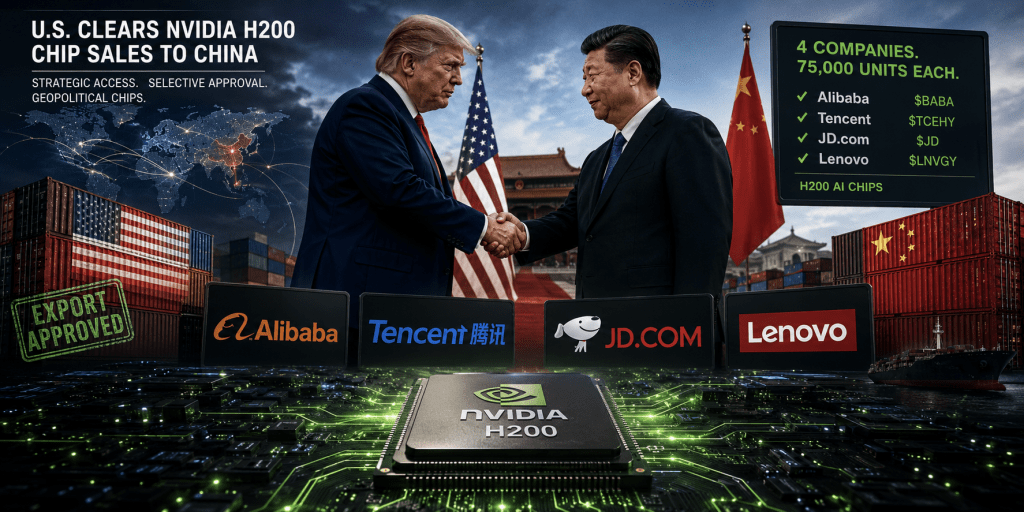
Nvidia’s China Play: The 4 Companies First in Line After Trump’s Beijing Summit
Nvidia’s potential comeback in China centers on President Trump’s summit with Xi Jinping, leading to the clearance of H200 AI chip sales to select Chinese firms like Alibaba, Tencent, JD.com, and Lenovo. However, while the deal is approved, Beijing’s hesitance leaves its practical implementation unclear, affecting Nvidia’s revenue prospects amidst geopolitical tensions.
-
Corporate Diplomacy and Strategic Contradiction: The Beijing Delegation in Context
The May 12, 2026, US presidential delegation to Beijing, led by President Trump, reveals tensions in US-China technology relations. It raises concerns about the alignment between America’s multilateral initiatives, like Pax Silica, and bilateral negotiations. The presence of key industry figures signifies strategic stakes, compelling allied governments to reevaluate the credibility of US technology governance.
-

The Floating Blind Spot: How the World’s Most Critical Infrastructure Became Its Most Vulnerable
Maritime cyber incidents doubled in 2025. Ninety percent of global trade moves by sea. And the vessels carrying it run on software architecture that was never designed to be connected, governed by regulations that were never designed to be enforced, crossing chokepoints that were never designed to survive a coordinated digital attack. By Vladimir Tsakanyan,…
-
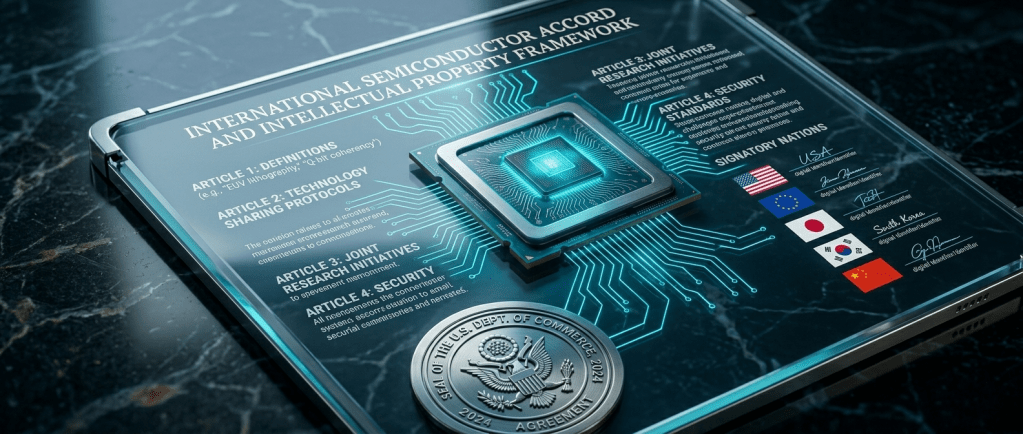
The Chip and the Treaty: Technology Sanctions as the New Language of Digital Statecraft
China’s 15th Five-Year Plan omits key terms like “lithography machine,” signaling a strategic shift towards AI and digital economy over chip manufacturing. Meanwhile, U.S. semiconductor export controls have unintentionally accelerated China’s capabilities, creating diplomatic tensions and unregulated technology diplomacy, with risks compounded by the absence of a governance framework.
-

The New Ambassadors: Why Tech Companies Have Become Sovereign Actors in Global Diplomacy
In 2017, Denmark pioneered tech diplomacy by appointing a tech ambassador in Silicon Valley, recognizing the geopolitical influence of tech firms. Today, over seventy nations have embraced this model. However, despite diplomatic engagement, a significant accountability vacuum remains, complicating the regulation of powerful non-state tech actors in global governance.
-

China’s Deep-Sea Cable Cutter: A New Front in Undersea Warfare?
China’s new deep-sea cable-cutting device, capable of operating at 4,000 meters, raises global security concerns due to its potential use in asymmetric warfare. This advancement prompts reevaluation of maritime defense strategies amid rising geopolitical tensions.
