
Tag: economy
-
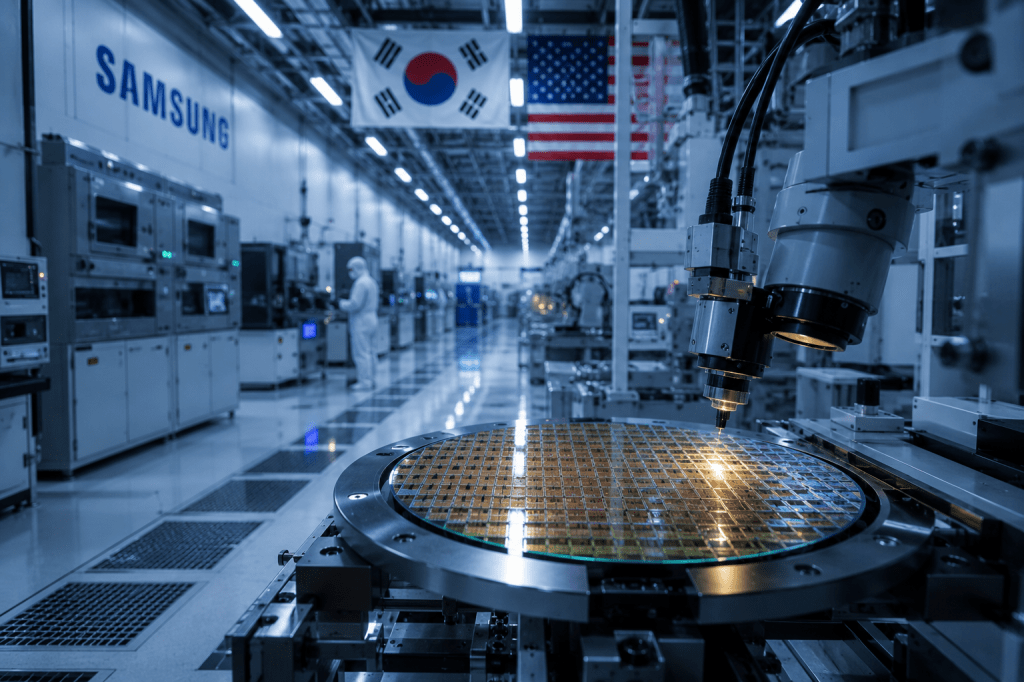
Semiconductors, Custom Silicon, and the Restructuring of the AI Supply Chain: A Korean Pivot
In late June and early July 2026, South Korea announced a $649 billion investment in AI infrastructure, coinciding with Anthropic’s discussions with Samsung Electronics for a 2nm AI chip manufacture and the lifting of export restrictions on its models. These events signify a pivotal shift in the global AI hardware landscape.
-
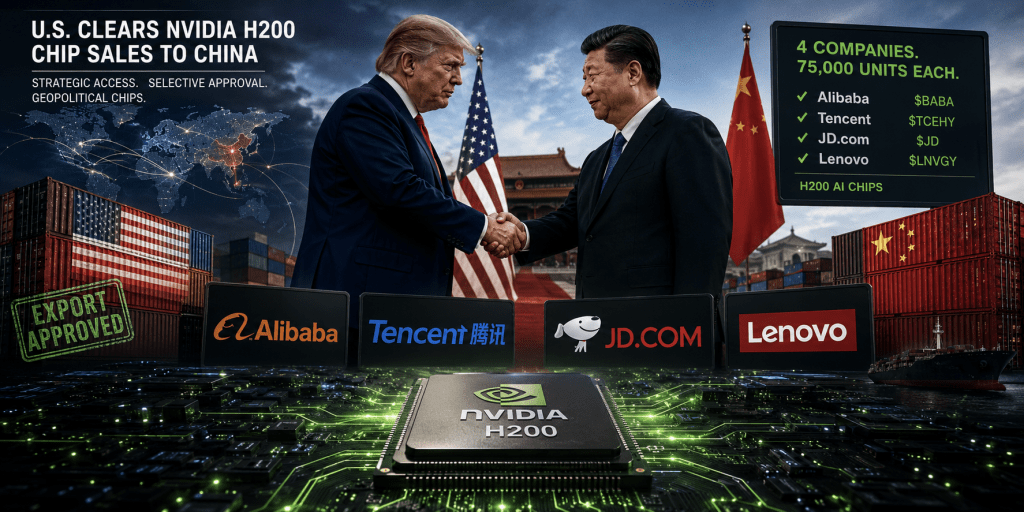
Nvidia’s China Play: The 4 Companies First in Line After Trump’s Beijing Summit
Nvidia’s potential comeback in China centers on President Trump’s summit with Xi Jinping, leading to the clearance of H200 AI chip sales to select Chinese firms like Alibaba, Tencent, JD.com, and Lenovo. However, while the deal is approved, Beijing’s hesitance leaves its practical implementation unclear, affecting Nvidia’s revenue prospects amidst geopolitical tensions.
-
Corporate Diplomacy and Strategic Contradiction: The Beijing Delegation in Context
The May 12, 2026, US presidential delegation to Beijing, led by President Trump, reveals tensions in US-China technology relations. It raises concerns about the alignment between America’s multilateral initiatives, like Pax Silica, and bilateral negotiations. The presence of key industry figures signifies strategic stakes, compelling allied governments to reevaluate the credibility of US technology governance.
-

Minerals Are the New Code: Norway, Pax Silica, and the Alliance Being Built Around the AI Supply Chain
On May 6, 2026, Norway joined the Pax Silica initiative, marking a significant diplomatic move in reshaping global AI supply chains. This non-binding declaration aims to establish a stable technology order under U.S. leadership, promoting interdependence among members while reducing reliance on China. Norway’s strategic resources bolster the initiative’s overall resilience.
-
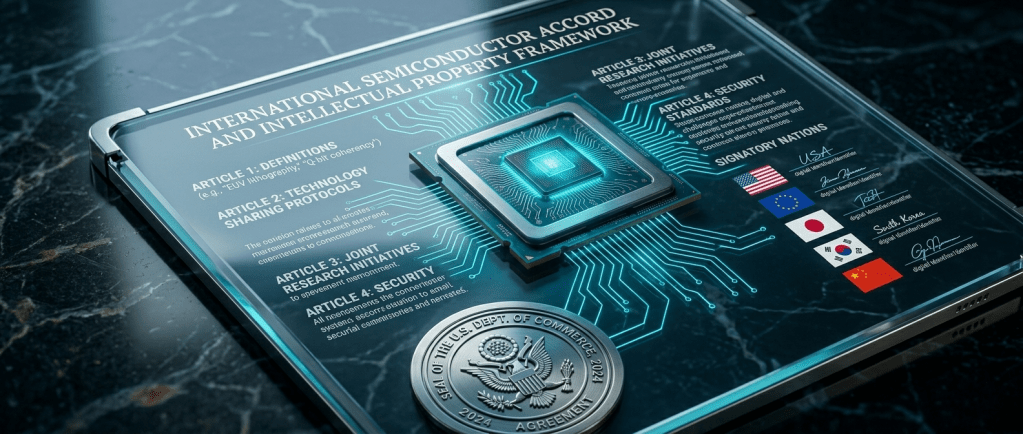
The Chip and the Treaty: Technology Sanctions as the New Language of Digital Statecraft
China’s 15th Five-Year Plan omits key terms like “lithography machine,” signaling a strategic shift towards AI and digital economy over chip manufacturing. Meanwhile, U.S. semiconductor export controls have unintentionally accelerated China’s capabilities, creating diplomatic tensions and unregulated technology diplomacy, with risks compounded by the absence of a governance framework.
